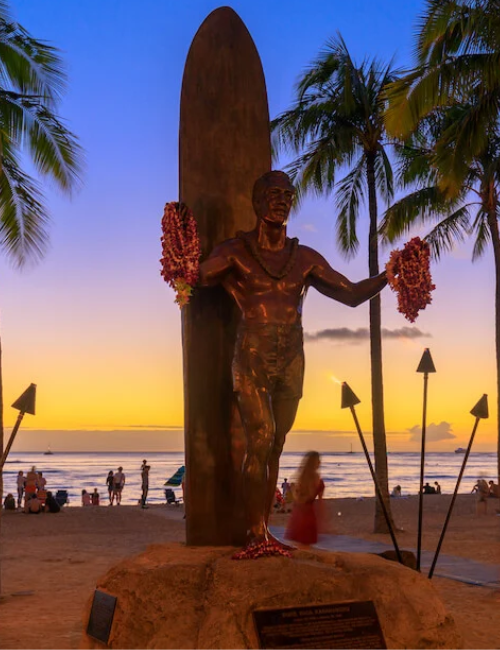
![Understanding the FSBO Process in [market_city]](https://image-cdn.carrot.com/eyJidWNrZXQiOiJwcm9kdWN0aW9uLmNhcnJvdC11cGxvYWRzLm9uY2Fycm90LmNvbSIsImtleSI6InVwbG9hZHMvc2l0ZXMvMTI4Ny8yMDI2LzA0L1VuZGVyc3RhbmRpbmctdGhlLUZTQk8tUHJvY2Vzcy1pbi1IYXdhaWlzLVJlYWwtRXN0YXRlLU1hcmtldC5qcGciLCJlZGl0cyI6eyJyZXNpemUiOnsid2lkdGgiOjExNTJ9LCJ0b0Zvcm1hdCI6IndlYnAiLCJ3ZWJwIjp7InF1YWxpdHkiOjcwfX19)

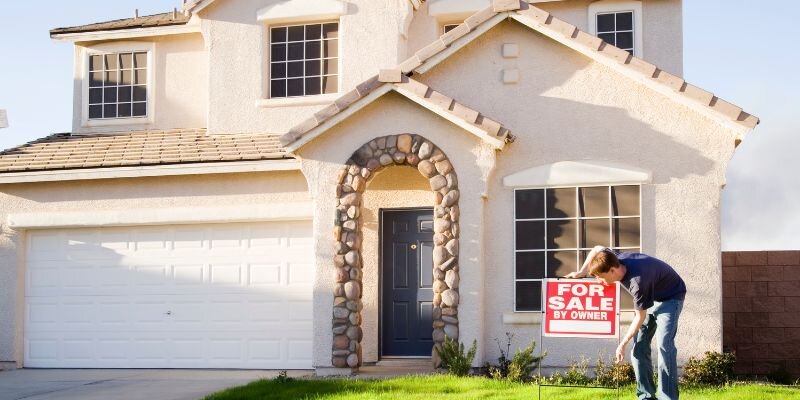
Selling your home without a real estate agent in Hawaii can save you thousands in commissions. But it’s not just about posting a “For Sale” sign in your yard. You’ll need to navigate unique island regulations, understand local buyer expectations, and handle every detail yourself.
I’ll be straight with you: selling FSBO in Hawaii requires more work than on the mainland. But with the right approach, you can pocket that extra 5-6% in commission while still maintaining full control over your sale.
How to Sell Your Hawaii Home Without a Real Estate Agent
FSBO sales make up roughly 8% of all home transactions nationwide, but in Hawaii, that number’s even smaller. Don’t let that discourage you. Island homeowners who do their homework and follow the right steps often achieve better results than they expected.
First things first: understand what you’re signing up for. You’ll handle pricing, marketing, showings, negotiations, and all legal paperwork. That includes Hawaii’s mandatory disclosure requirements, which are stricter than those of many mainland states.
The current Oahu median home price sits at $1,200,000 for single-family homes, which means even a 5% commission savings could put $60,000 back in your pocket. That’s serious money worth fighting for.
Your biggest advantage as an FSBO seller? You know your home better than any agent ever will. You understand why you chose this neighborhood, what makes your property special, and which features matter most to potential buyers.
Getting ready is key. Hawaii FSBO sellers who do well plan for months before they put their home on the market. They look at similar deals, know how the local market works, and make sure they have all the necessary paperwork ready ahead of time.
Understanding Hawaii Real Estate Market Trends and Timing
Hawaii’s real estate market moves differ from the mainland. Statewide, homes are taking an average of 40 days to sell in 2026, up 54% from last year. That’s crucial information for setting realistic expectations.
Timing matters here more than anywhere else. February through July typically offer the best selling conditions in Honolulu, when demand peaks and homes spend fewer days on the market. Tourist season drives much of this activity, especially in areas like Waikiki, Kailua, and the North Shore.
Single-family houses on Oahu stay on the market for an average of 20 days, but this can vary significantly by location and price point. For homeowners looking to sell your house fast for cash in Kaneohe, for example, market conditions on the windward side can differ from areas like Mililani or Kapolei due to demand, weather patterns, and buyer preferences.
Don’t ignore the seasonal patterns. December through February traditionally sees slower activity. Many mainland buyers postpone major purchases during the holidays, and local families focus on other priorities. If you must sell during this period, price aggressively and prepare for longer market times.
Interest rates also impact Hawaii differently from other markets. Current mortgage rates range from 6.4% to 6.9%, significantly affecting a buyer’s purchasing power when median prices exceed $1 million.
A huge part is also played by local economic forces. Buyer demand is affected by changes in tourism, building, and military transfers in the FERS. Read neighborhood news and market reports to stay up to date on these trends.
Essential Legal Requirements for Owner Sales in Hawaii
Hawaii has specific laws governing FSBO transactions that you can’t ignore. State law requires sellers to provide a disclosure statement that is signed and dated within six months before or ten calendar days after contract acceptance, and delivered to buyers no later than ten calendar days from acceptance.
This isn’t optional. Missing disclosure deadlines can kill your sale or expose you to legal liability later. Around 77% of real estate lawsuits link to disclosure issues, making upfront honesty your best protection against costly legal battles.
You’ll also need to understand Hawaii’s specific contract requirements. Unlike some states, Hawaii doesn’t require attorney involvement in residential transactions, but that doesn’t mean you should skip legal review. More than a third of non-traditional sellers have paperwork problems, with 36% making legal mistakes and 40% not understanding their contracts.
Title insurance is mandatory in Hawaii. You’ll need to work with a title company or escrow agent to handle the closing process. They’ll ensure clear title transfer and handle fund disbursement.
Hawaii has lower property taxes than the mainland, but you’ll need to know how to do proration figures when you close. Most of the time, the buyer pays from the date of the close forward, while you are responsible for the time you owned the property.
Don’t forget about Hawaii’s conveyance tax. This state tax applies to all property transfers and varies based on the sale price. Your title company will calculate this, but budget for it in your closing costs.
Required Disclosure Documents for Hawaii Home Sales

Hawaii requires disclosure of all “material facts” relating to residential property that are within your knowledge or control, can be observed from visible areas, or are required by statute. This goes beyond simple yes/no checkboxes.
The Seller’s Real Property Disclosure Statement covers everything from structural issues to neighborhood conditions. It includes structural problems, past repairs, neighborhood conditions, HOA rules, and much more. Each section requires honest, detailed responses.
Hawaii asks only for information “within the knowledge or control” of the seller and information that “can be observed from visible, accessible areas.” You’re not expected to hire inspectors or investigate hidden problems, but you must disclose what you know.
Common disclosure areas include:
Structural and mechanical systems: Foundation, roof, plumbing, electrical, HVAC. Any known problems or recent repairs need documentation.
The environment is at risk from lead paint (in houses built before 1978), asbestos, mold, radon, or contaminated soil. Federal law requires specific lead-based paint disclosures for homes built before 1978. These include EPA pamphlets, hazard disclosures, inspection records, warning statements, and inspection times of 10 days.
Property boundaries and easements: Shared driveways, utility easements, boundary disputes, or encroachments from neighboring properties.
HOA information: monthly fees, special charges, lawsuits that are still being worked out, or rule violations.
Natural hazards: Flood zones, hurricane damage history, volcanic activity risks, or tsunami evacuation zones.
Avoid common mistakes like checking “yes” when explanations are needed, guessing instead of stating “unknown,” failing to attach supporting documents, disclosing repaired issues, or minimizing problems.
If you’re not sure, tell. You can label things as “unknown,” which lets buyers do the inspection and keeps you from being sued for fraud.
Pricing Your Hawaiian Property for Maximum Market Appeal
Pricing is where most FSBO sellers stumble. Emotion and wishful thinking replace market reality. I’ve seen gorgeous homes sit unsold for months because owners priced them $50,000 above comparable sales.
One way to start is with a comparative market analysis (CMA). Check out the sales that have happened in your area in the last six months. Pay attention to homes that are about the same size, age, state, and features. Do not pick the best sales to explain charging too much.
In luxury markets like Waialae-Kahala, the median price is $2,575,000. But other high-end areas like East Oahu ($1,815,000 median) and Hawaii Kai ($1,625,000 median) saw 3% price drops, while Kailua rose just 1% to $1,685,000. Location matters tremendously.
Online valuation tools like Zillow provide starting points, but don’t rely on them exclusively. These algorithms struggle with Hawaii’s unique properties and microclimates. A home in Kailua Beach versus Kailua Town can vary by hundreds of thousands of dollars, despite being miles apart.
Consider hiring a licensed appraiser for an unbiased opinion. This costs $400-600 but provides professional credibility when justifying your price to buyers and their agents.
Price positioning strategy matters too. Pricing just under major thresholds ($999,000 instead of $1,050,000) captures more online search requests. Many buyers search with maximum price filters, so crossing these boundaries eliminates you from consideration.
Don’t forget about days-on-market psychology. Properties stay on the market for over 70 days due to buyer-market conditions, which can stigmatize your listing. Price aggressively from the start rather than chasing the market down with multiple reductions.
Market conditions also influence pricing strategy. In seller’s markets, you might price at the top of your range. In buyer’s markets, conservative pricing generates more activity and potential bidding wars. As explained in the Complete Guide To House Selling Costs And Fees In Hawaii, understanding your full cost structure is just as important as pricing strategy when deciding how aggressively to list your home.
Staging Your Hawaiian Home to Attract Serious Buyers
Hawaii buyers have specific expectations shaped by the island lifestyle. Your staging should emphasize indoor-outdoor living, natural light, and that coveted “Hawaii feel” that draws people to the islands.
Start with the outside. Hawaii has a growing season that lasts all year, so your gardening is very important. Cut back palms that are getting too big, add new mulch, and make sure your yard looks healthy. Dead or dying plants let owners know that they need to be taken care of.
Inside, maximize natural light and ocean/mountain views if you have them. Remove heavy window treatments and clean windows inside and out. Sparkling clean glass makes rooms feel larger and brighter.
Embrace the indoor-outdoor concept. If you have lanais, patios, or outdoor spaces, stage them as additional living areas. Add comfortable seating, maybe a small dining set, and some tropical plants. Buyers need to envision themselves enjoying Hawaii’s perfect weather.
Get rid of all the junk. Hawaii homes don’t always have storage like homes on the mainland do, so having too many things makes the place feel crowded. Put away your own things, extra furniture, and anything else that doesn’t fit the “resort living” style.
Choose neutral colors with tropical accents. Think whites, beiges, and soft blues with pops of coral, turquoise, or tropical green. Avoid overwhelming patterns or dark colors that make rooms feel smaller.
Don’t overdo the “Hawaii theme.” Avoid cliché decorations like plastic leis or touristy artwork. Sophisticated buyers want authentic island living, not a hotel lobby.
Pay special attention to bathrooms and kitchens. These rooms sell homes everywhere, but in Hawaii’s humid climate, proper ventilation and cleanliness are especially important. Ensure exhaust fans work properly and there’s no mold or mildew.
Consider professional staging for vacant properties. Empty homes are harder to sell, especially when buyers can’t visualize the scale and flow. A good stager understands Hawaii buyer preferences and can make your property irresistible.
Professional Photography Tips for Hawaii Real Estate Listings
The pictures you use on your web listing can make or break it. As the number of items for sale grows and more competitors enter the market, your pictures need to stand out right away.
Hire a professional photographer experienced with Hawaii real estate. They understand how to capture the islands’ unique lighting conditions and showcase properties effectively. Expect a complete photo package to cost $300-$800.
Timing is everything for exterior shots. Early morning (7-9 AM) and late afternoon (4-6 PM) provide the best lighting. Harsh midday sun creates unflattering shadows and washes out colors.
Capture your property’s connection to Hawaii’s natural beauty. If you have an ocean, a mountain, or a city, use them as the hero shots. Buyers often purchase Hawaii properties for the views as much as the homes themselves.
Include pictures of outdoor living areas, pools, gardens, and anything else that makes your home special. People who buy homes in Hawaii want to live the Hawaii dream, not just own a house.
Don’t forget interior details that matter to Hawaii buyers: storage solutions, air conditioning units, ceiling fans, and updated electrical systems. These practical elements influence buying decisions.
Consider drone photography for properties with significant acreage, unique positioning, or stunning aerial views. This adds a professional touch and helps buyers understand the property’s setting.
Online Listing Platforms for Hawaii for Sale by Owner Properties
Multiple listing service (MLS) exposure is crucial for FSBO success. Flat-fee MLS services like Houzeo automatically assign the correct paperwork based on your location and provide professional visibility.
The Hawaii MLS reaches all local real estate agents and appears on major consumer websites like Realtor.com, Zillow, and Trulia. This exposure is worth the $300-$500 flat fee for MLS listing services.
Zillow and Trulia allow FSBO listings but charge for premium placement. Their “Make Me Move” features let you test market interest without officially listing.
Facebook Marketplace has gained popularity for local real estate sales. It’s free and allows detailed descriptions with multiple photos. Join local Hawaii real estate groups to expand your reach.
Craigslist still generates leads, especially for unique or lower-priced properties. Post in both your local area and mainland cities where potential buyers might be searching.
For luxury properties, consider specialized platforms like LuxuryHomes.com or Sotheby’s International Realty. These sites target high-net-worth buyers specifically interested in premium properties.
Military buyers represent a significant market segment on Military.com or MilitaryByOwner.com, making it possible to reach this audience directly.
Don’t overlook traditional marketing. Yard signs still work, especially in high-traffic areas. Include your website or phone number for easy contact.
Create a simple property website using platforms like WordPress or Squarespace. This gives you complete control over the presentation and allows you to share detailed information with interested buyers.
Marketing Strategies for Owner-sold Properties in Hawaii

Hawaii’s unique market requires targeted marketing beyond standard FSBO approaches. You’re not just selling a house; you’re selling a lifestyle and investment opportunity.
Target mainland buyers actively. Many Hawaii purchases come from California, Washington, and other West Coast states. Consider advertising in mainland newspapers or online publications targeting potential relocators.
Leverage social media effectively. Instagram and Facebook allow beautiful photo sharing that showcases Hawaii’s appeal. Use relevant hashtags like #HawaiiRealEstate, #OahuHomes, and #IslandLiving to reach interested audiences.
Partner with local businesses for cross-promotion. Island realtors, mortgage brokers, and moving companies often know potential buyers. Offer referral fees for successful connections.
Consider hosting open houses during peak tourist seasons. Visitors sometimes fall in love with areas and decide to purchase. Weekend open houses can attract both locals and tourists exploring neighborhoods.
Network within Hawaii’s tight-knit communities. Attend local events, join community organizations, and spread the word through personal connections. Island referrals carry significant weight.
Create compelling video content. Short property tours posted on YouTube, Facebook, or Instagram can reach broader audiences than photos alone. Include neighborhood highlights and lifestyle elements.
Time your marketing strategically. Launch major campaigns during the winter months on the mainland when people dream of escaping to Hawaii. January through March generates strong inquiry volumes.
Don’t ignore local marketing. Many Hawaii buyers are locals upgrading, downsizing, or relocating within the islands. Local newspapers, community bulletin boards, and word of mouth remain effective.
Financing Options Available to Hawaii Home Buyers
Understanding buyer financing helps you evaluate offers and structure deals effectively. Hawaii’s high property values create unique financing challenges that affect your selling process.
Conventional mortgages remain the most common financing method. Current range from 4% to 6.9% depending on market conditions and buyer credit scores. Higher rates significantly increase buyers’ purchasing activity in Hawaii’s expensive market.
VA loans are extremely popular in Hawaii due to the large military presence. These loans offer no-down-payment options and competitive rates, making them attractive to service members. VA loans can close quickly, but require specific property condition standards.
Jumbo loans are necessary for most Hawaii purchases since median prices exceed conventional loan limits. These loans typically require larger down payments (10-20%) and stronger credit scores.
Cash buyers represent a significant portion of Hawaii sales, especially for luxury properties and investment purchases. Working with cash home buyers in Oahu can help you avoid financing delays, making the process faster and more predictable. Cash offers close faster and don’t depend on appraisals or financing contingencies.
Foreign buyer financing has become more complex but remains available through specialized lenders. Chinese, Japanese, and Canadian buyers represent significant market segments.
Owner financing might be an option for your situation. This allows buyers who can’t qualify for traditional mortgages to purchase while providing you with steady income streams. However, owner financing requires careful legal structuring.
Hard money or private lending serves investors and buyers needing quick closings. These loans carry higher interest rates but can close in days rather than weeks.
If you’re working with companies like Oahu Home Buyers, they often provide cash offers that eliminate financing contingencies. This can be especially valuable if you need a quick, certain closing. Understanding how our process works can help you see how a direct sale compares to the traditional FSBO route.
Frequently Asked Questions
How Do You Sell a House by Owner in Hawaii?
Selling FSBO in Hawaii requires completing Hawaii’s mandatory disclosure statements, pricing based on local comparable sales, marketing through MLS and online platforms, and handling all negotiations and paperwork yourself. You’ll need to understand Hawaii-specific legal requirements and work with a title company for closing.
What Are the Most Common Mistakes to Avoid When Selling by Owner?
The biggest mistakes are overpricing your property, inadequate marketing with poor photos, missing Hawaii’s strict disclosure deadlines, failing to understand the contract terms, and failing to understand the contract terms. Many sellers also compromise safety during showings and let emotions interfere with negotiations.
What Is the Hardest Month to Sell a House?
December through February typically marks the slowest-selling season in Hawaii. Holiday distractions, reduced mainland buyer activity, and local family priorities all contribute to lower market activity. However, serious buyers during these months often face less competition.
What Devalues a House the Most?
In Hawaii, poor maintenance in the tropical climate results in the highest value loss. Termite damage, mold, roof problems, and outdated electrical systems significantly impact value. Lack of parking, no air conditioning, and poor outdoor spaces significantly affect HawaithSelf
Selling your Hawaii home without an agent isn’t for everyone, but it can be incredibly rewarding both financially and personally. You’ll save thousands in commissions while maintaining complete control over your sale.
The key is preparation and realistic expectations. Understand the legal requirements, price your property correctly, market effectively, and negotiate professionally. When challenges arise, don’t hesitate to seek professional help for specific issues.
If the FSBO process feels overwhelming or your timeline doesn’t allow for the extended marketing period, remember that Oahu Home Buyers provides a straightforward alternative. We purchase properties directly, handle all paperwork, and can close in as little as two weeks. This makes us a popular choice for owners who need to sell a house and move out of state without waiting through a long, uncertain listing period.
Whether you choose the FSBO route or decide on a direct sale, the most important thing is making an informed decision that serves your specific situation. If you want to discuss your options without any pressure or obligation, you can reach out to us to explore what might work best for your timeline and goals.
Helpful Hawaii Blog Articles
- How Much Does it Cost to Fix a Foundation Crack in Hawaii
- Who pays closing costs when selling a house in Hawaii
- How to sell a house as-is in Hawaii
- Selling Rental Property at a Loss in Hawaii
- Selling a House with Termite Damage in Hawaii
- Can My Spouse Sell Our Marital Home in Hawaii Without My Consent?
- Can You Sell a House That Failed Inspection in Hawaii?
- Selling an Inherited Property in Hawaii
- Selling a House with Delinquent Property Taxes in Hawaii
- Best And Worst Months To Sell Your House In Hawaii
- Selling Your Hawaii Rental Property With Tenants
- How To Sell Your Hawaii Home By Owner
- Complete Guide To House Selling Costs And Fees In Hawaii
- Sell Fire-Damaged House Hawaii