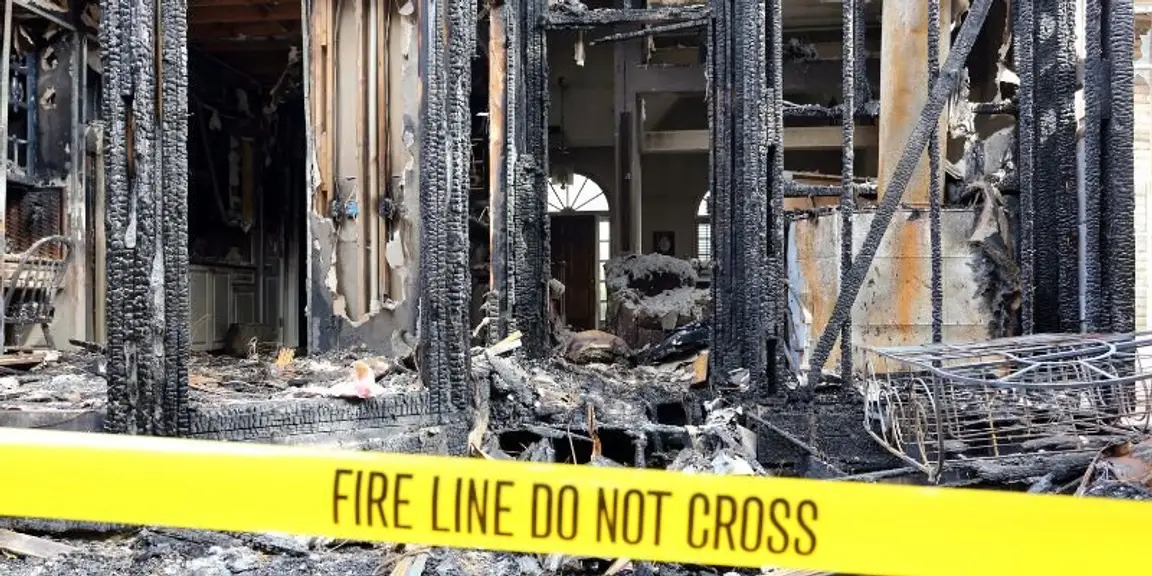

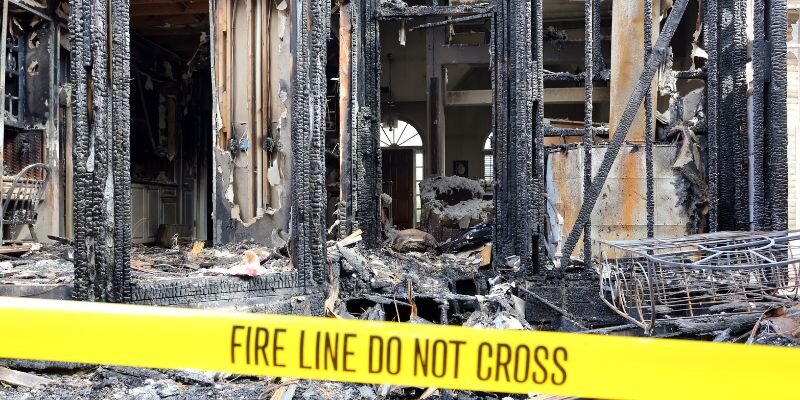
But utopia is not risk-free. Invasive species, such as Californian shrubs and grasses, are also growing larger than native species in Hawaii, raising the risk of wildfires. As has been shown with the recent fires on Maui, wildfires can cause irreparable damage to ecosystems and human lives. The horrific Lahaina fires of 2023 taught us how fast everything can change. But here’s what I’ve learned working with fire victims around the islands: You have more options than you believe.
The old approach is not necessarily the best. Listing with a realtor entails repairs, inspections, and months of uncertainty. One, say smart homeowners. Companies like Oahu Home Buyers are experts in buying fire-damaged properties as-is, so you can go forward without the added expense of restoration.
Hawaii Fire Damage Assessment: When to Repair vs Sell Your Property
It is overwhelming to walk through a fire-damaged home. The marks of smoke on the walls, the buckled floorboards. The scent that seems to cling to everything. You may be asking yourself, “Should I fix it or sell it as-is?
This is the reality check you need. Average cost of home repairs in Hawaii: $41,000-$82,000. And this is just the beginning. Hidden damage lurks behind walls, in electrical systems, and throughout the structure. Firefighting efforts often cause other difficulties, including mold from water damage.
“I’ve seen homeowners spend $100,000 on repairs and discover more problems along the way.” And the prices keep going up. Meanwhile, they are paying for interim accommodation and storage and dealing with insurance adjusters who appear to speak a foreign language.
Assessing fire damage is not only about what you can see. Inspectors who are professionals will be looking for:
- Structural integrity problems from heat exposure
- Damage to the electrical system presents safety hazards.
- Extreme weather and plumbing problems
- Concerns about smoke intrusion for air quality.
- Thermal expansion of the foundation
Often, the smart money is on the sell side. You can sell your house to a private buyer like Oahu Home Buyers instead of trying to post the house on the MLS. We buy houses in Honolulu as-is and help homeowners move forward without dealing with costly repairs or long listing timelines. We can help when vendors experience fire damage and other obstacles.
And think about your time, Meline, too. If you can find contractors, repairs take 6 to 18 months. Hawaii’s building industry is already strained, and fire rehabilitation requires specific knowledge. For many homeowners, getting estimates can take months.
The emotional cost matters. Fire damage restoration is living with the frequent reminders of the trauma. Every day, new decisions, new challenges, and fresh stress. Sometimes the best thing you can do is close that chapter and start over.
Fire-Damaged Property Valuation Method for the Hawaii Real Estate Market
Valuing fire-damaged property is not simple. Traditional assessments don’t work when you’re missing half your roof. You need to know what purchasers look at when they analyze these homes to make the right decisions.
Cash buyers employ the “after-repair value” strategy. They determine the value of your property if it were entirely repaired, then subtract repair costs, carrying costs, and a profit margin. That gives you a basis for talks.
According to Redfin’s monthly housing data for April 2024, the median price for home sales in Hawaii is $783,700, up 14% from this time last year. Hawaii now has the nation’s second-highest house prices, trailing only California. Fire damage generally reduces the value by 15-50%, depending on the severity of the fire.
Place still matters a great sale. A fire-damaged house in Diamond Head will be pricier than one in Waianae. Even when the structure degrades, proximity to the coast, schools, and employment hubs all impact value.
What about insurance settlements as another valuation benchmark? The amount of the insurance payment is based on the anticipated replacement cost of the property less depreciation. But insurance firms often undervalue the market value added by innovations and special features.
Companies like Oahu Home Buyers that buy homes for cash have very sophisticated value methods for fire-damaged homes. They look at things traditional appraisers don’t.
- Land value under present market conditions
- Requirements for construction permits
- Cost of utility connections
- Soil pollution by fire retardants
- Patterns of neighborhood recovery
The trick is to get diverse perspectives. One buyer’s offer is based on land value and another on partial repairs. Competition results in better offers.
Don’t just rely on internet valuation tools. Zillow and other sites are unable to account for the complexity of the four flexibilities. They are suited for normal property situations.
Fire Insurance Claims vs Selling Fire-Damaged Hawaii Real Estate Directly
Insurance claims are a full-time job. Adjusters, contractors, paperwork, delays. Meanwhile, you’re living in temporary accommodation, paying two sets of housing fees, and watching your savings dwindle.
Let’s face it: insurance companies aren’t your buddies. They’re companies that focus on minimizing payouts. Insurance companies, which have already paid out more than $2 billion in claims, are opposing the sale in Hawai’i’s Supreme Court, alleging that it would prevent them from pursuing repayment for their payouts from the state, the county, Hawaiian Electric, and several major landowners. They will challenge every line item, argue coverage, and prolong the process.
The average time to settle an insurance claim is 6-12 months. In the meantime, you are in limbo. You can’t move forward with repairs without approval, but you also can’t sell until the claim is settled.
Nobody tells you: You can sell your property AND assign the insurance claim to the buyer. This method works best when dealing with cash purchasers who understand the procedure. They take care of the insurance mess; you get your money and go on.
Selling directly has several advantages over insurance claims:
- Speed: Close in 30 days, not months, to resolve insurance issues
- Certainty: known price of purchase vs unknown insurance payment
- Simplicity: One transaction instead of contractors, permits, and inspections
- Emotional relief: Immediate closure, not prolonged trauma
Insurance payouts come with their own strings attached. You might have to rebuild at the same site, hire approved contractors, or follow certain schedules. These constraints limit your flexibility.
Some homeowners pursue both paths concurrently. They file the insurance claim and seek options for sale. That provides them with leverage and plan B. When insurance pays a fair payout immediately, excellent. If not, they have options.
The tax implications are different, too. Insurance payouts for main dwellings are normally tax-free. If you sell properties, you can have capital gains. If it were your principal house, you could exclude some of it.
Fire-Damaged Property Tax Implications for Hawaii Homeowners Selling Fast

Fire damage complicates tax season. The IRS has guidelines for casualty losses, but you need to navigate them carefully.
If you sell your fire-damaged property, you may be eligible for capital gains exclusions. The principal residence exclusion allows you to exclude up to $250,000 (single) or $500,000 (married) of gain if you have lived in the property for two of the last five years.
Fire damage can actually open up tax options. If the basis of your property is greater than the sale price because of fire damage, you may have a deductible casualty loss. You can use that loss to offset other income and reduce your overall tax bill.
Hawaii does not have a state income tax but taxes all income. Income is the sale of property unless there is an exclusion.
Timing is relevant for tax planning. Selling in the same year as the fire might allow you to deduct moving expenses, temporary housing costs, and other fire-related expenses. These deductions can significantly reduce your tax liability.
But keep this in mind: While Hawaii may have the lowest property tax rate, property values are among the highest in the nation; thus, the average Hawaiian homeowner’s tax bill is still approximately $937. Quick sales save money. Property taxes are due until the sale closes.
Another tax plan is installment sales. If the buyer pays over a period of years, you can spread the tax burden over several tax years. This maintains you in lower tax brackets and cuts your tax burden.
If you rented the property or used some of it for business, remember depreciation recapture. Fire damage doesn’t mean depreciation recapture is gone.
It’s important to have the advice of a tax professional who knows the laws of Hawaii. They can assist you in organizing the transaction to reduce taxes and maximize your cash recovery.
Legal Requirements for Disclosing Fire Damage in Hawaii Home Sales
Hawaii disclosure laws are tough. You must disclose all known material faults, including fire damage and the results of the fire damage. Not only is it unethical to try to hide fire damage, but it is also unlawful and can lead to litigation years after the sale.
The Hawaii Real Estate Commission requires some statements about fire damage:
- Date and cause of fire
- Damage to structure and systems – Scope
- Repair by whom
- Claims filed and settled for insurance
- Any remaining issues or concerns
Even if professionals performed the repairs, you must reveal the fire history. Buyers have the right to know what they are buying. This openness shields you from liability later on.
Smoke damage disclosure can be problematic. Smells can be trivial but also a sign of serious concerns. Professional cleaning can sometimes take them away momentarily, but they usually come back. Full disclosure prevents future disagreements.
If you decide to engage an agent to sell your house, you have to tell them everything. Leave something out, and it will cost you! Potential purchasers should be aware of the history and condition before making a purchase.
Water damage from firefighting activities is a distinct disclosure. Damage like this type often causes mold, structural concerns, and electrical problems. Even if you’ve fixed what you can see, there may be things you can’t see.
Documentation is critical. Keep records of:
- Reports from the fire department
- Insurance Claims Paperwork
- Contractor invoices & estimates
- Professional Survey Reports
- Damage and restoration photos (link)
Even when selling to cash buyers, you must still fully disclose. But experienced purchasers, such as Oahu Home purchasers, know about fire damage and price accordingly. They’re not looking for flawless properties—they specialize in troubled properties.
Professional purchasers typically waive inspection contingencies, but that doesn’t take away disclosure duties. Full disclosure develops trust and prevents legal issues down the road.
Complete Guide to Selling Fire-Damaged Homes Without Repairs in Hawaii
When a property is being sold “as is,” it means precisely that: no repairs, no renovations, no mending anything. You sell the property as is, and the buyer does the rest.
There are various reasons why this method makes sense. First, repairs for fire damage are costly and unexpected. What looks like $50,000 worth of damage might easily escalate into $100,000 when contractors get involved. Construction reveals hidden damage, costs increase, and schedules slip.
Secondly, you may not have the money for repairs. Insurance payouts take time, and you need a place to live now. For many families, the financial burden of paying for repairs and covering the costs of temporary lodging is too much.
Third, the emotional toll of handling fire repair is huge. Every decision brings trauma back. It’s overwhelming to deal with contractors, inspectors, and insurance adjusters while processing the loss.
In an as-is sale, all of these burdens are passed on to the buyer. They are in charge of permits, contractors, and unforeseen complications. You get money, you get closure.
“First step is an accurate property assessment. Photograph all damage thoroughly. Document everything from obvious structural problems to subtle smoke staining. This material allows purchasers to make educated offers.
Obtain several offers from a variety of purchasers:
- Local house flippers
- Distressed Property Buyers – National Companies
- Developers looking for teardowns and rebuilds
- Homeowners seeking project properties
distinct buyers have distinct incentives and price methods. Investors are looking for fast gains, and developers are looking at long-term development prospects.
Timing is also important for offers. The longer the fire-damaged property sits vacant, the more profit is made. Vandalism, weather damage, and degeneration degrade value over time. Quick sales often get better offers.
Homeowners and companies like them make the process easy by buying a house from a professional cash buyer. We know that you may have sad memories, and therefore, we try to make the procedure as short and smooth as possible so you can walk away from the home quickly and easily. We will take the cost of repair into account in our offer and pay you a reasonable fee.
Hawaii Fire Damage Real Estate Market Trends and Cash Buyer Opportunities
Hawaii’s housing market has changed a lot since the Lahaina fires. Median property values shot up 8% in just three months after the disaster, according to the latest figures from the Hawaii Real Estate Association. The increase is attributed to lower inventories and higher demand from displaced residents.
The median home price in Lahaina increased from $1.9 million in 2023 to about $2.7 million in 2024 within that same period. At the same time, land sales are up, rising from three transactions totaling $3.8 million during January through July 2023 to 22 sales totaling $18.7 million over the same period this year.
The fire produced a new market dynamic. “Thousands of families need homes today, but inventory has fallen off a cliff. This supply-demand imbalance is pushing prices up on all Hawaiian islands.
This is a seller’s market, and Oahu cash buyers have the edge. They close quickly and without any financing contingencies. Speed is more important than the maximum price for fire victims facing interim housing bills.
Home sales of single-family homes totaled 5,600 statewide in 2023, down 37% from 2022. Condo sales totaled 7,300, down 36% from 2022 and nearly 50% of the level in 2021. Lower sales volume indicates less competition among buyers but also fewer comparable sales for pricing guidance.
Foreclosure rates are another market indicator. 1 in every 2,658 residences suffered a foreclosure filing in the first quarter of 2024 (ATTOM current statistics). Based on these statistics, Hawaii has a lower foreclosure rate than other states. But when homeowners cannot afford both mortgage payments and interim lodging, fire damage can typically speed foreclosure. For struggling homeowners, the most urgent question becomes: how do I sell my house to avoid foreclosure before the bank takes action?
The rental market has tightened considerably. The fire compounded the problem, and a Federal Emergency Management Agency (FEMA)-commissioned report indicated the median rent jumped 44% from early 2023 through June 2024. The rise further complicates fire victims’ efforts to obtain cheap temporary lodging while they consider their options for what to do about their damaged properties.
Fire-damaged properties, cash buyers ready to buy. Good locations are still strong for land values. 2 Buyers can purchase undervalued properties, refurbish them, and benefit from Hawaii’s long-term appreciation tendencies.
Hawaii Fire-Damaged Home Sales to Professional House Buyers
Professional home purchasers work in a different way than regular real estate transactions. They’re investors who understand distressed homes and can act rapidly with no financing contingencies.
These buyers come into a few categories:
Hawaii markets are familiar to local investors. They understand permit procedures, contractor availability, and neighborhood dynamics. Their local understanding allows them to price appropriately and close quickly.
National firms have resources and procedures but may lack local experience. They tend to pay a little less, but they can close a lot quicker with less paperwork.
Developer groups generally work on larger projects or numerous properties. They may be interested in teardowns for new development or extensive upgrades.
Fix-and-flip professionals look for properties they can swiftly fix up and resell. They want predictable, profitable proposals.
The professional buyer’s sales process is easier:
- Initial contact: You give simple property details
- Property assessment: They analyze damage and repair costs
- Offer presentation: Typically 24-48 hours
- Contract execution: Purchase contracts made simple
- Closing: Typically 2-4 weeks
Professional purchasers price off of the after-repair value minus costs and profit margins. They’re not trying to steal your stuff; they’re operating businesses, and businesses need acceptable profit margins to justify the risk and effort.
If you do choose to sell your fire-damaged house to us, as-is, then the cost of repairs is built into the offer. This clarity allows you to understand their prices and compare offerings effectively.
There are the following benefits of selling to professionals:
- Speed: Weeks, not months:
- Surety: Cash offerings without financing risk
- Ease of sale: No showings, open houses, marketing
- Flexibility: We have closing dates to fit your scenario
Professional purchasers also know the emotional factors involved in fire damage transactions. They have experience working with victims of trauma, and handle these transactions with appropriate sensitivity.
Timeline Expectations: Selling Fire-Damaged Hawaii Real Estate in 30 Days
Thirty days from decision to cash in hand is realistic with the right approach. Here’s how the timeline typically breaks down:
Days 1-3: Property Assessment and Documentation
- Photograph all damage thoroughly
- Gather insurance documents and fire reports
- Collect property tax and utility information
- Research comparable sales in your area
Days 4-7: Market Outreach
- Contact multiple cash buyers for offers
- Provide property information and photos
- Schedule property visits if required
- Begin preliminary negotiations
Days 8-14: Offer Evaluation and Contract
- Compare offers from different buyers
- Negotiate terms and closing date
- Review and sign the purchase agreement
- Order title work and inspections
Days 15-21: Due Diligence Period
- Buyer conducts property inspection
- Title company researches ownership history
- Insurance claim assignment, if applicable
- Final repair cost estimates
Days 22-30: Closing Preparation and Completion
- Final walkthrough with buyer
- Coordinate with the title company
- Sign closing documents
- Receive payment and transfer ownership
This timeline assumes you’re working with experienced cash buyers who understand fire-damaged properties. Traditional sales through realtors typically take 3-6 months, assuming you can find buyers willing to purchase fire-damaged properties.
Several factors can accelerate the timeline:
- Clear title: No liens or ownership disputes
- Accessible property: Buy easily and inspect easily
- Complete documentation: All paperwork organized and available
- Realistic pricing: Offers that reflect actual market conditions
Potential delays include the following:
- Title issues: Liens, easements, or ownership disputes
- Insurance complications: Unresolved claims or coverage disputes
- Permit problems: Unpermitted improvements or code violations
- Access restrictions: Safety concerns or ongoing investigations
Working with local companies like Oahu Home Buyers often speeds the process because they understand Hawaii’s unique requirements and have established relationships with title companies, inspectors, and other professionals.
Frequently Asked Questions
Can You Sell a House with Fire Damage?
Yes, you can absolutely sell a house with fire damage. Many buyers specialize in purchasing fire-damaged properties, including cash buyers and real estate investors. You’ll need to disclose all fire damage and its effects, but this doesn’t prevent the sale. The key is pricing the property appropriately based on its condition and finding buyers who understand distressed properties.
What Is a Seller’s Typical Closing Cost for Selling a Home in Hawaii County?
Sellers in Hawaii typically pay 2-4% of the sale price in closing costs. This includes title insurance, escrow fees, transfer taxes, and real estate commissions if you use an agent. For a $500,000 property, expect total closing costs of $ 10,000-$15,000. However, cash buyers often cover many of these expenses, reducing your out-of-pocket costs.
What Makes a House Unable to Sell?
Several factors can make houses difficult to sell: severe structural damage, legal issues like liens or title problems, environmental hazards, or properties priced far above market value. Fire damage doesn’t make a house unsellable, but it does limit your buyer pool to those willing to handle restoration projects. Working with the right buyers and pricing appropriately solves most selling challenges.
What Devalues a House Most?
Major structural damage, environmental contamination, and legal problems typically cause the biggest devaluation. Fire damage can reduce value by 15-50% depending on severity, but location and land value often maintain significant worth. In Hawaii’s strong real estate market, even severely damaged properties retain value due to land scarcity and development potential.
Fire damage feels like the end of the world, but it’s really just the end of a chapter. I’ve watched hundreds of families move forward after devastating losses, and the ones who fare best are those who make decisions based on facts rather than emotions.
You don’t have to rebuild your life in the same place where tragedy struck. Sometimes the smartest move is to take the insurance money, sell the property as-is, and start fresh somewhere new. There’s no shame in that choice—it’s often the wisest financial decision.
If you’re dealing with fire damage and wondering about your options, companies like Oahu Home Buyers can provide honest assessments and fair offers without pressure. They understand that every situation is unique and work with you to find solutions that fit your specific needs.
If you want to explore your options or get a fair cash offer, reach out to Oahu Home Buyers to discuss your situation.
The path forward might not be what you originally planned, but it can still lead to a bright future. Take time to process the trauma, explore all your options, and make decisions that serve your family’s long-term interests. Help is available when you’re ready to take the next step.