
Who pays closing fees when selling a Hawaii home? Hawaii closing expenses explained. Who pays closing expenses when buying or selling a Hawaii house might be complex. People want to live in Hawaii because it’s unique. Hawaii homebuyers and sellers must be mindful of fees and costs. Closing costs affect your budget and options. Hawaiian closing costs are frequently divided. Understand these fees and make sensible decisions when selling your home in this tropical paradise with this guide.
Key Highlights
- Hawaii closing costs include lawyer fees, title insurance, and escrow. Rates vary by location and property type.
- Loan origination and assessment fees are normally paid by buyers. Sellers frequently pay agent commissions and transfer taxes.
- Hawaii real estate agents receive 5–6% of the sale price. This payment is shared between the buyer and the sales agents.
- Transfer taxes and recording fees are expensive for buyers, but there are methods to reduce them.
- Good negotiations may allow buyers and sellers to divide closing costs. The best strategy to maximize real estate profits is this.
Understanding Closing Costs in Hawaii
Hawaii homebuyers and sellers pay a lot for closing expenses. These costs often surprise buyers and sellers. Hawaiian closing costs are fees associated with real estate transactions. These include title insurance, trust fees, and transfer taxes. You must know these fees before buying a Honolulu oceanfront home or selling a family home. Real estate agents help their clients through these arduous stages and ensure the closing goes smoothly. You can better grasp the Hawaii real estate market by studying these costs.
What Are Closing Costs?
When buying or selling a house, you and the seller must pay “closing costs.” These fees vary by property type, region, and sale agreement. Hawaii closing costs include trust, title insurance, lawyers’ fees, and recording fees. Escrow fees are charged because someone outside the deal must keep the money until the deal is finalized. A costly extra, title insurance protects everyone against complications after the house is sold. Every buyer and seller agrees on how to split these costs, which may fluctuate.
Hawaii buyers may pay closing costs, including loan origination fees. Mortgage application processing costs are charged by the lender. Buyers may need to pay for an assessment to determine the house’s market value. Sellers frequently cover real estate agency expenses. These are the most expensive parts of a sale and are shared between buyer and seller representatives. Buyers might also pay liens and back taxes during closing. Both sides must know these prices because they will influence their sales discussion.
Fees range from 2% to 5% of the house’s sale price and can be startlingly expensive. This vast group includes home inspections, notaries, and insurance. Home prices fluctuate because bargains change frequently. This is why buyers and sellers should consult with experienced real estate brokers before signing. Understanding these aspects helps buyers and sellers plan better. This might prevent thousands of dollars in unnecessary expenses.
Common Closing Costs in Hawaii
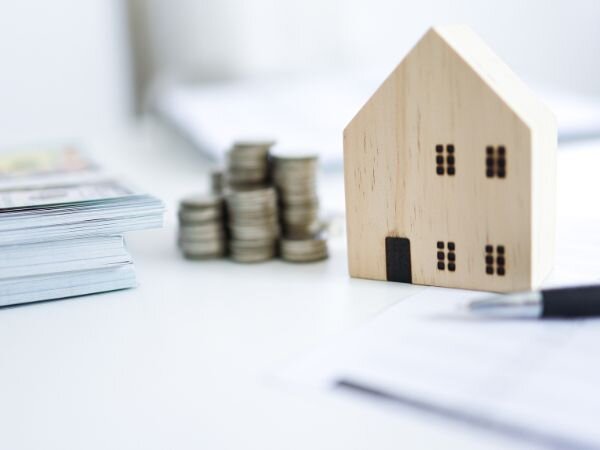
Hawaii has distinct closing fees due to the unique homebuying and selling processes. Costs depend on property value, local laws, and the arrangement both sides struck. The escrow fee, which pays a third party to handle the purchase, is a major closing cost. Notary, lawyer, and home check costs may apply. Inspections ensure the property satisfies requirements and identify any issues before closing.
Title insurance is a major closing cost to prevent lawsuits and title issues. This protection is crucial due to potential issues like past-owner debts and clerical errors. Buyers normally cover this; however, it might be discussed during the purchase. Escrow accounts pay property taxes and insurance immediately after a deal is closed. These pre-paid charges ensure that property buyers understand their financial obligations.
Hawaii charges transfer fees based on house price. Another high cost. This tax may make the deal more expensive, but there may be easier methods to pay it off. Sellers’ closing costs are dominated by real estate agent fees. Real estate agents receive 5%–6% of the home’s sale price. Both buyer and seller pay them.
Buyers and sellers can make sensible judgments when they know the closing fees. Knowing these financial duties may help each side handle Hawaii real estate negotiations and preserve their financial interests. You need skilled real estate agents to handle these fees. They may help you save money and close the sale faster.
| Fee Type | Who Pays | Description | Typical Cost Range |
| Title Insurance | Buyer | Protects against potential title issues | $500 – $1,500 |
| Escrow Fees | Buyer and Seller | Services for handling funds, documents | $200 – $2,000 |
| Appraisal Fee | Buyer | 0.10% – 0.13% of the purchase price | $300 – $600 |
| Recording Fees | Buyer | Cost to record the property’s deed | $50 – $200 |
| Transfer Tax | Seller | Tax for transferring property ownership | 0.10% – 0.13% of purchase price |
This table offers a concise overview of the various closing costs involved in Hawaii’s real estate transactions, aiding buyers and sellers in making informed financial decisions.
Who Typically Pays Closing Costs in Hawaii?
Determine who pays the closing fees before handling the rest of a Hawaii real estate sale. Local laws and buyer-seller agreements usually share these fees. Loan origination and assessment fees are typically paid by the buyer. Sellers frequently pay Realtor commissions and transfer taxes. Estate brokers are crucial to these negotiations
Buyer Responsibilities
Hawaii homeowners generally pay a large portion of closing fees, which are crucial when buying a home. Costs like lender fees are crucial. These fees support the lender’s mortgage processing and acceptance costs when a person buys a house. Other charges must be considered by buyers besides loan costs. Buyers and lenders need evaluations to ensure the property’s price matches its market value. This keeps the buyer and lender from overpaying or taking on too much risk. Title insurance costs a lot for owners. This insurance protects the lender and buyer against future legal complications related to home ownership. Most Hawaii purchasers pay for it because they think it’s prudent to avoid difficulties, even though everyone must. Buyers may also pay trust fees. Escrow is when a third party holds money and releases it when the selling terms are met. This gives deal participants more security. Buyers must know about transfer taxes and filing expenses. Both buyer and seller pay taxes, although the buyer may need to pay them for the sale to process. These fees are a large percentage of closing costs, but you can negotiate them. Buyers with money issues benefit from real estate brokers. Because they understand real estate transactions, they can assist buyers in negotiating better terms, choosing the best home, and calculating costs. Despite the high fees, a well-prepared buyer and professional real estate agents can usually handle them. Hawaiian real estate might be tough, but buyers can succeed with resources and professional support. This will make the procedure reasonable and make them happy when they acquire the house they want. Skilled real estate brokers can turn these issues into strategic opportunities. The aim of home ownership will be easier to achieve.
Seller Responsibilities
Hawaii sellers must pay several closing charges to complete the sale. Real estate agent costs are usually the highest. These costs can be 5–6% of the home’s sale price. Buyer and seller real estate agents split them. Real estate agents help homeowners sell their homes for a good price. This streamlines sales and provides them with a skilled voice. Transfer taxes and agent fees are common for sellers. Hawaii taxes sales based on price. They’re expensive, but deals and market conditions can lower them. Real estate professionals can help sellers understand how these taxes will affect the purchase and propose solutions to minimize the cost, such as allowances or negotiating. The seller’s closing costs include many trust fees. A fair third party verifies the sale before releasing the funds. The trust process. Sellers often cover these charges to expedite the purchase. Escrow speeds up the closing process, which benefits everyone, especially in high-value deals. Sellers must also consider legal expenditures, including documentation and lawyer fees. These fees ensure the vendor respects state laws and protects their interests. The closing cost puzzle becomes more complicated. Deals remain honest after legal details are resolved. Buyers and dealers feel safe. Hawaii sellers’ closing fees demonstrate the importance of dealing wisely and hiring professionals. Sellers should use experienced real estate managers to undertake these procedures and ensure the deal goes through. Planning ahead for these fees can make the deal more profitable and help the seller acquire a new home or sell their current one for the most money. These charges help Hawaiian sellers manage closing costs in several ways. – Compare markets to ensure fair prices and reasonable costs. Talk to the purchasers about dividing or reducing closing fees. Find out if your location offers tax discounts or other perks for buying or selling property. Hawaii real estate agents should be local and market-savvy. Choose a market-friendly closing date to save money. Consider grouping assessments and checks for better deals. Internet research will help you estimate closing costs. – Keep everyone informed to avoid costly misunderstandings. Following these steps can help buyers close and complete the sale.
Breakdown of Seller Closing Costs in Hawaii
Hawaii home sellers must know all fees. These expenditures may significantly affect your house sale price. Real estate agent fees and transfer taxes are crucial Hawaii selling closing charges. Real estate agents are crucial because they create deals and get paid quickly and smartly. You should also consider transfer taxes, which can affect your sale profit. You must prepare and excel at handling these charges.
Real Estate Agent Commissions and Realtor Fees
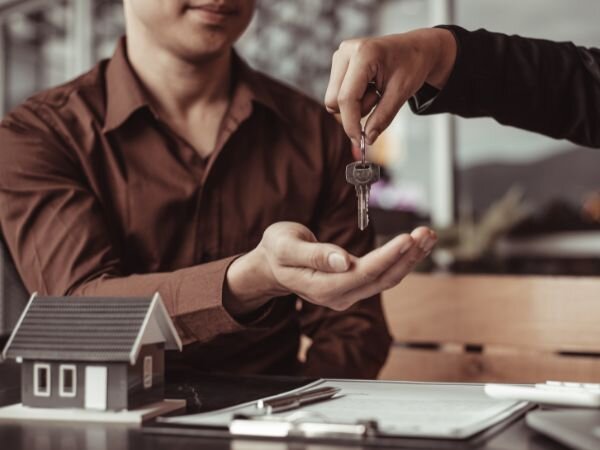
The closing costs of selling your Hawaii home will be dominated by real estate agent fees. Real estate brokers usually receive 5%–6% of the home’s final price. All agents get half of these fees. Both buyer and seller agents get half. Real estate brokers should collect these fees since they know the market and can speed up property sales. Professional real estate managers can help you set better prices and promote more efficiently. This will boost sales profits.
Many things await real estate agents. Agents must study the market to calculate the correct asking price, arrange open houses, discuss offers, and meet all contractual duties. The commissions pay agents for their knowledge, home-selling skills, and negotiation. Hiring real estate agents makes things easier for sellers and ensures the deal goes smoothly with specialists. It’s hard to quantify how much time and peace of mind experienced agents can provide. Due to their contracting and negotiation skills, they often secure better bargains than the seller.
Agent fees are also key closing costs. These fees cover supplementary services real estate agents offer throughout the sale. Real estate agents may arrange property inspections and determine how to market your home. By selling the house in Hawaii well, agents boost its appeal and price. Selling homeowners should view agency fees and payments as investments, not expenditures. Real estate brokers generally recoup their costs by selling homes faster and for more money because they know the market.
Experienced real estate managers make closing easier for sellers, reducing surprises and ensuring paperwork is in place. This position is crucial since Hawaii real estate deals must follow particular rules. They charge fair prices and commissions for their time, knowledge, and procedure assistance. Agents follow the regulations and maximize profits. They are compensated, but their value to the home sale frequently makes the seller more money. Many homeowners ask who pays closing costs when selling a house in Hawaii, especially when trying to maximize their net profit. While traditional sales often require sellers to pay Hawaii home seller closing costs, working with cash home buyers in Hawaii can eliminate commissions, reduce fees, and even cover most closing expenses.
Transfer Taxes and Recording Fees
Hawaii sellers must pay many fees and taxes to consummate the purchase. The state taxes property based on its sale price. These taxes are crucial for legal land sales. These taxes vary by house value and sale price. If Hawaii buyers are diligent with these taxes, their profits can increase. Understanding these fees is crucial because they’re required by law and must be handled carefully during the sale.
Transfer taxes are crucial since they involve property documents and control records. These taxes update public records, which keep the real estate market transparent. They also fund vital government services. Most real estate brokers advise buyers on how to handle and budget for these fees. This reduces closing costs. These taxes are regular, although the government can vary the amounts. Buyers should always receive the latest information from experienced real estate brokers. Real estate brokers can assist you in uncovering tax advantages and programs to lower your taxes. This may reduce tax costs.
When filing and tracking formal property papers, recording costs are another consideration. These payments ensure that property control changes are properly recorded in public records. This is important to prove ownership after the deal. The new owner’s legal rights are safeguarded by recording fees. The likelihood of ownership disputes is likewise reduced. Although these costs are usually lower than transfer taxes, you should still consider them. To keep the sale lawful and safe, you need the correct papers and record them on time. Buyers and real estate brokers must complete and file documents on time.
Controlling costs is part of having the sale run smoothly. If the seller handles these pieces carefully, they may be able to avoid post-sale issues due to missing or wrong paperwork. If sellers understand these expenditures and work with real estate brokers, they may budget for them when selling their house. To ensure the Hawaii real estate transaction fulfills all standards and makes the maximum money, these costs must be monitored. Real estate managers assist you in avoiding these charges and ensure the purchase is done right and swiftly.in avoiding
How to Minimize Your Closing Costs in Hawaii
Hawaii home sellers must prepare ahead and bargain to reduce closing costs. Buyers and sellers pay many escrow and agent fees. It can be hard to remember them all. Negotiating and researching the Hawaii real estate market might save you a lot. Knowledgeable real estate brokers can assist you in uncovering affordable solutions. Know how to navigate these financial seas to sell your house for the most money. If you want to know exactly how closing costs would apply to your situation, you can contact Oahu Home Buyers for a free, no-obligation breakdown.
Negotiating Strategies
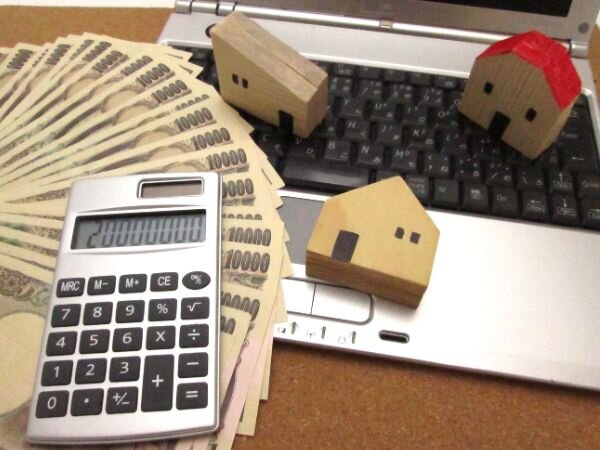
Knowing how to negotiate in Hawaii’s real estate market might minimize closing costs. Buyers and sellers benefit from careful negotiations that save money and ensure a smooth conclusion. Know what each side wants and needs to negotiate properly and utilize that knowledge to your advantage. Transfer taxes and agent fees incur higher closing expenses for sellers. This can greatly affect their deal profit. Sellers who negotiate skillfully can distribute these costs more evenly with buyers. This will result in a fair deal for all. Buyers should consider the seller’s willingness to pay fees when there are many offers.
In negotiations, real estate brokers are crucial. Knowing market trends, property prices, and local laws helps sellers develop low-cost offers that buyers will like. Both sides being pleasant speeds up the sale, which benefits everyone. Experienced agents can save money. They may urge the seller to pay higher transfer taxes or divide title insurance. Hawaii real estate sellers should use agents with bargaining experience. This can save vast sums.
Make sure negotiations happen at the correct time. Hawaii’s real estate market is busiest when it’s warm, and tourists visit. Sellers may have many buyers at these times. This allows them to charge users more. When business is slow, sellers may be more willing to negotiate conditions to close the purchase fast. Using these cyclical trends may give you additional negotiating leverage. This affects the closing cost distribution.
Often, buyers’ and sellers’ representatives must negotiate closing expenses. Buyers may want to secure a loan or negotiate price modifications or other deals to save closing expenses. Home warranties and repair credits may entice purchasers to pay more. This helps sellers meet financial obligations. Understanding what makes the property unique and how it fits into the market is crucial when making these trade-offs.
Negotiating successfully for reduced closing expenses isn’t enough. Everyone should feel like they got a good deal. You must prepare ahead, be patient, and consider each facet of the agreement to do this. Planning ensures that buyers and sellers know what they want and are adaptable during negotiations. Knowing everything about Hawaii real estate and working closely with their managers can assist both sides in reaching a deal that reduces stress and preserves their bottom line. Talking about closing expenses in Hawaii’s unique real estate market is best when everyone wins.
Knowing who pays closing fees can make selling an Oahu house easier. This will also prepare you for financial duties. Knowing what to expect and potential charges helps you negotiate and settle faster. Learn what you’re doing to make wise judgments and navigate the Hawaiian real estate market as a buyer or seller who wants to make the most money. Talk to a local real estate agent for more specialized assistance.
Who typically pays for closing costs in Hawaii real estate transactions?
Hawaii has conventions for splitting closing costs. This is usually discussed between buyer and seller. Buyers typically pay for a loan, assessment, and title insurance. Sellers usually pay transfer fees and real estate agents.
What are some common closing costs for buyers in Hawaii?
Hawaii owners may have to pay loan, appraisal, and title insurance fees. They may also pay recording and payment fees. These expenditures are needed to conclude the house transaction and avoid ownership issues.
What are the major closing costs sellers face when selling a property in Hawaii?
Transfer taxes and real estate agency fees can cost up to 6% of the transaction price when selling a home. Additionally, they can pay trust fees.
How can effective negotiation help manage closing costs in Hawaii?
Negotiating successfully lets buyers and sellers split closing costs. This might boost both sides’ finances. After strategic conversations, trust fees may be divided or the sale price lowered to cover closing costs.
Why are real estate agents crucial in handling closing costs in Hawaii?
Brokers are experts at handling difficult deals and lowering closing expenses. They understand the market, helping buyers and sellers make wise selections that save money and speed up the sale.
Helpful Hawaii Blog Articles
- Successfully Auction Your House In Hawaii
- How Much Does it Cost to Fix a Foundation Crack in Hawaii
- Complete Checklist for Selling a House in Hawaii
- Who pays closing costs when selling a house in Hawaii
- How to sell a house as-is in Hawaii
- Selling Rental Property at a Loss in Hawaii
- Selling a House with Termite Damage in Hawaii
- Can My Spouse Sell Our Marital Home in Hawaii Without My Consent?
- Can You Sell a House That Failed Inspection in Hawaii?
- Selling an Inherited Property in Hawaii
- Selling a House with Delinquent Property Taxes in Hawaii