![Tips for Selling a House With Termite Damage [market_city]](https://image-cdn.carrot.com/uploads/sites/1287/2026/01/Tips-for-Selling-a-House-With-Termite-Damage.png)

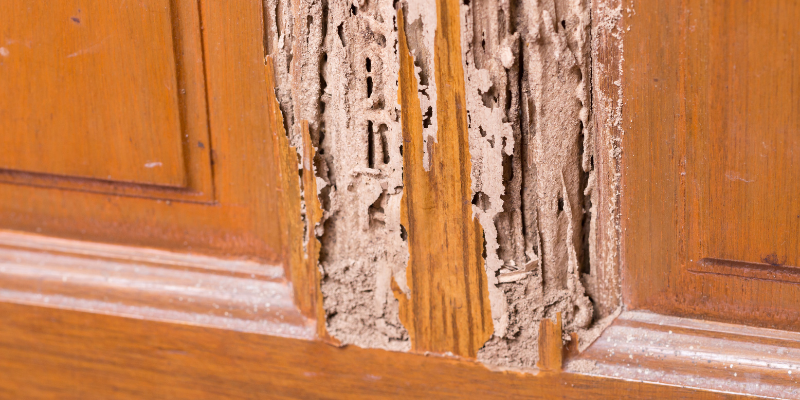
Termites are basically the unofficial state insect of Hawaii at this point, so if you’ve got termite damage and you’re trying to sell your house, you’re definitely not alone. This happens to many homeowners across the islands. People sell houses with termite damage in Hawaii all the time, and while it’s not ideal, it’s also not the disaster you might think it is. With the right strategy and support from Oahu Home Buyers, you can handle the situation wisely and still move forward with your sale.
Why Does Hawaii Have Higher Termite Activity
Hawaii basically rolled out the red carpet for termites and threw them a welcome party. The year-round warmth means these pests never take a break.
There’s no winter freeze to kill them off or even slow them down, so they’re just out there eating wood every single day like it’s their job (which, technically, it is).
Add in the humidity from all that tropical rain and ocean air, and you’ve created a termite spa where they can thrive without even trying.
The islands are also packed with different termite species that hitched rides here decades ago on shipping materials and imported lumber. Once they arrived and realized how perfect the conditions were, they spread everywhere.
What makes it even worse is how close houses sit together in most neighborhoods. Termites can literally build underground tunnels from your neighbor’s property straight into yours, so even if you’ve been super careful, you can still end up with an infestation.
Types of Termites Common in Hawaii
Three main types of termites are destroying Hawaii homes right now.
Subterranean Termites
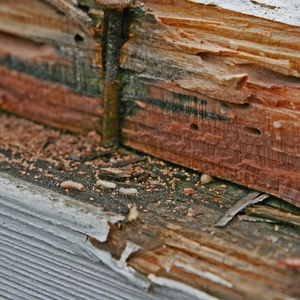
These guys live underground and build mud tubes up to your house so they can access the wood without drying out. You’ll see those tubes on your foundation walls or in crawl spaces. They’re pretty obvious once you know what you’re looking for, like little highways made of dried mud running up your concrete.
The scary part is how many of them there are in a single colony. There are hundreds of thousands of workers all chomping away at your house’s wooden structure day and night. They can do some serious damage really fast once they get established.
Drywood Termites
Drywood termites are the sneaky ones because they don’t need soil at all. They just move right into the wood and eat it from the inside out.
You won’t see any mud tubes with these, but you will find little piles of what looks like sawdust or coffee grounds below the infested areas. These are actually their poop (gross, but helpful for identifying them).
They can set up shop in literally any wooden part of your home. The really annoying thing is you might have several different colonies in different spots, each one happily eating away in its own little section.
Formosan Termites
If termites had a final boss, it would be Formosan termites. People call them “super termites” because they’re incredibly aggressive and destructive. Their colonies can hit millions of individual bugs instead of just thousands.
They eat wood way faster than the other types. They build these huge nests inside your walls and attic using chewed-up wood mixed with their saliva, which sounds disgusting because it is.
Those nests let them survive without touching soil, so they’re even harder to get rid of. You’ll know they’re around if you see massive swarms of winged insects hovering around your outdoor lights on humid spring or summer nights. That’s them looking for new places to infest. For homeowners in Honolulu, planning ahead—much like understanding insect behavior—can save headaches later. Tools like a Honolulu, HI Capital Gains Tax Calculator & Tax Planning Strategies guide help you anticipate costs and make smarter financial decisions before selling your property.
Signs Your Hawaii House May Have Termite Damage
If you suspect you’ve got termites or you’re hoping to catch them early before they turn your house into their personal buffet, here are some clear signs that termites have moved in.
Visible Wood Damage
If wood looks weird, it probably is. You might notice areas that look water-damaged even though there’s been no leak, or wood that seems to be crumbling or flaking apart when it should be solid. Sometimes you’ll see what looks like tunnels or galleries carved into the wood itself, which is literally the termites eating their way through.
The wood might also look darker in spots or have a honeycomb pattern to it. If you poke it with a screwdriver, it’ll feel soft and spongy instead of firm. Baseboards, door frames, and window sills are common spots to check because termites love those areas.
Mud Tubes and Tunnels
If you’ve got subterranean termites, they’re probably leaving their calling card all over your foundation. Those mud tubes look like thin streams of dried dirt running up your concrete walls, usually about the width of a pencil or drinking straw.
The termites build these tubes so they can travel between the soil and your house without being exposed to air and light, which would dry them out. You’ll find them in crawl spaces, along the outside of your foundation, behind stored items in the garage, or pretty much anywhere termites need to create a protected highway.
Sometimes, the tubes are active and full of termites, and sometimes they’re old and abandoned.
Hollow-Sounding Wood
This is one of those things that sounds like it wouldn’t be that noticeable until you actually experience it, then it’s super obvious. Tap on your baseboards, door frames, or any wooden beams with your knuckles or a screwdriver handle, and listen to the sound.
Solid wood makes a solid thud, but termite-damaged wood sounds hollow and echoey because the termites have eaten out the inside while leaving the outer shell intact. It’s kind of creepy when you think about it, like your house is just a facade with nothing behind it.
You can also press gently on wood that looks suspicious. If it gives way easily or your finger actually breaks through the surface, that’s a really bad sign.
Discarded Wings and Droppings
When termites swarm (which is when they’re looking to start new colonies), they fly around for a bit and then drop their wings once they’ve found a good spot. You’ll see little piles of wings that all look exactly the same near windowsills, door frames, or around light fixtures. More like confetti of sorts.
Drywood termites also leave behind frass, which is a fancy word for termite poop. It looks like tiny pellets or sawdust. The frass piles up below wherever the termites are hanging out and it’s usually tan or brown in color. If you’re seeing either wings or frass, you’ve definitely got an active infestation going on.
Can You Sell a House with Termite Damage in Hawaii?
Yes, one hundred percent yes. You can totally sell a house with termite damage in Hawaii and it’s very common. This isn’t some rare situation where you’re stuck with an unsellable property. It’s actually pretty normal in the Hawaii real estate market because termites are just that common here.
The thing is, almost every older house in Hawaii has had termites at some point and a lot of current homes have active infestations or old damage that was never fully repaired. Buyers know this going in, especially if they’ve lived in Hawaii for any length of time.
They’re not expecting perfection. They understand that termites come with the territory when you’re buying a house on a tropical island where bugs never die off in winter. What matters is how you handle it. Being honest about the damage, pricing your house appropriately, and giving buyers the information they need to make a smart decision.
Some buyers will want you to fix everything before closing and some will ask for a credit so they can handle repairs themselves. You have options and none of them involve being stuck with your house forever just because some bugs decided to snack on it.
How Does Termite Damage Affect Your Home’s Value in Real Estate
Termite damage is going to ding your home’s value. Pretending otherwise would be lying to you. The question is how much and that really depends on how bad the damage is and how you decide to handle it.
| Extent of Damage | Estimated Impact on Home Value |
| Minor damage, already treated and repaired | $2,000 to $5,000 reduction |
| Moderate damage, treatment needed | $10,000 to $20,000 reduction |
| Severe structural damage, active infestation | $25,000 to $50,000+ reduction |
Buyers are going to factor in the cost of treatment, repairs, and the general hassle of dealing with it all, plus they’ll probably add a little extra buffer for the stress and uncertainty of buying a house with known problems.
Hawaii buyers are used to this stuff, though, so they’re not going to lowball you into oblivion just because you’ve got termites. They just want the price to reflect reality.
Hawaii Disclosure Requirements for Termite Damage
Just like any state, Hawaii has strict rules about what you have to tell buyers when you’re selling your house. Termite damage is definitely on that list.
What Sellers Must Legally Disclose

You’re required to fill out a seller’s disclosure form that asks specifically about termites, wood-destroying insects, and any damage they’ve caused. If you know you’ve got termites or you’ve had them in the past, you have to say so, even if you already fixed the problem.
The disclosure form covers active infestations, past infestations, visible damage, and previous treatments. That’s basically anything related to termites that a reasonable buyer would want to know about.
Don’t try to get cute with technicalities like “well, I never actually saw the termites myself, just the damage” because that’s not going to fly if the buyer comes back later.
Consequences of Hiding Termite Issues
If you don’t disclose termite problems and the buyer finds out after closing, you’re opening yourself up to a lawsuit. It’s probably not going to go well for you.
Buyers can sue for damages. This might include the cost of termite treatment, repairs, decreased property value, and sometimes even punitive damages if the court thinks you were deliberately deceptive.
You could end up paying way more than you would have lost by just being honest up front and pricing accordingly. Your listing agent could get in trouble, too, if they knew about the termites and didn’t make you disclose them. They’re going to be on your case about filling out that disclosure form completely and honestly.
How Much Does It Cost to Get Rid of Termites and Repair Termite Damage
The cost of dealing with termites in Hawaii can range from a few hundred bucks to tens of thousands of dollars, depending on how bad your situation is and what kind of termites you’re dealing with. Minor infestations caught early are obviously cheaper to handle. However, if termites have been munching away for years, you’re looking at some serious money to fix everything.
| Service Type | Estimated Cost |
| Localized treatment (small infestation) | $500 to $1,500 |
| Whole-house treatment (subterranean/Formosan) | $2,000 to $5,000 |
| Fumigation (tenting the entire house) | $3,000 to $8,000 |
| Minor cosmetic repairs | $300 to $1,000 |
| Structural repairs (beams, joists, trusses) | $10,000 to $30,000+ |
How to Sell a House with Termite Damage in Hawaii
Follow these detailed steps to sell your house with termite damage.
Get a Professional Termite Inspection
Don’t even think about listing your house without getting a professional termite inspection first, even if you’re pretty sure you know where the damage is. You need an official report from a licensed inspector because that’s what buyers and their lenders are going to want to see. Trying to skip this step just makes you look shady.
The inspection will tell you exactly what you’re dealing with, like what kind of termites you have, where they are, how bad the damage is, and whether the infestation is active or old.
Assess the Extent of Damage and Repair Costs
Once you’ve got that inspection report, get quotes from at least two or three pest control companies for treatment and separate quotes from contractors for repairs.
Don’t just guess at this because you need real numbers based on your specific house and your specific damage. Add up the treatment costs and the repair costs to get a clear picture of what you’re working with financially.
Decide on Your Selling Strategy
There’s no single right answer. It all depends on your situation.
Repair the Termite Damage Before Selling
Fix everything before you list so you can ask for top dollar and attract traditional buyers who want a move-in-ready house.
If you’re planning to sell your home for cash in Kailua or in nearby cities, you’ll likely pay some costs upfront, which can hurt your bank account right now, but it often leads to more buyer interest and a higher sale price. Just be sure to keep all your receipts, since buyers will want proof that the work was done correctly.
Sell As-Is with Price Adjustments
Tell buyers straight up that you’re not fixing anything and they need to handle it themselves. You’ll price lower to account for treatment and repairs, plus extra, because buyers want a discount for the hassle. Great if you don’t have money to fix everything or need to sell fast.
Offer Repair Credits to Buyers
Negotiate a credit at closing that buyers can use to pay for treatment and repairs after they own the house. You’re basically knocking money off the price and letting them handle the work with their own contractors.
Gather All Documentation
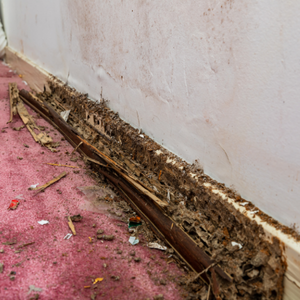
Put together everything related to your termite situation. Those inspection reports, treatment receipts, repair invoices, warranties, before-and-after photos, and any records of previous issues. Having it ready makes you look organized and honest.
Price Your Hawaii Home Appropriately
Look at comparable homes in your area, then subtract the cost of treatment and repairs based on your quotes. If you’re selling as-is, subtract a bit more because buyers want compensation for the inconvenience.
Talk to your agent because they’ll know what buyers in your neighborhood will actually pay.
Disclose Termite Issues to Potential Buyers
Tell buyers about the termites in your disclosure form and be thorough about it. Spell out when you discovered them, what kind they are, what damage they caused, what you’ve done about it, and whether there’s any warranty in place. Don’t try to hide anything.
Negotiate Repairs or Credits
Be ready for back-and-forth about who pays for what. Buyers might ask you to fix everything, want a credit, or try to renegotiate based on their inspector’s findings.
Stay flexible but know your bottom line. Also, remember that every day on the market costs you money.
Cash Buyers Make Everything Easy
If you’re exhausted just thinking about all those steps, cash buyers might save your sanity. These investors buy houses in any condition, termites and all, and they don’t care about the stuff that makes traditional buyers run away screaming.
You won’t need to treat anything or deal with lender requirements that could kill your deal. The offer will be lower than market value because they’re factoring in all the repair costs, but you’re also saving the money you would have spent fixing everything, and you can close in a week or two instead of months.
If you’re looking to sell your home for cash in Pearl City or in nearby cities because you need to sell fast or simply can’t handle the stress of a traditional sale, cash buyers are absolutely worth calling.
Key Takeaways: Selling a House with Termite Damage in Hawaii
Termites are everywhere in Hawaii, so selling a house with damage isn’t the disaster you think it is. Just an inspection, then pick your strategy: fix it yourself, give the buyer a credit, or sell as-is and move on. Make sure you price it right and disclose everything, so you’ll find a buyer who gets it.
Are you selling a house with termite damage and need a fast, stress-free solution? Oahu Home Buyers is here to help. We buy homes as-is, so you can sell quickly, avoid costly repairs, and skip the hassle of traditional listings. We offer fair cash offers, handle all the details, and make the entire process seamless. Ready to sell or have questions? Contact us at (808) 333-3677 for a no-obligation offer. Get started today!
Helpful Hawaii Blog Articles
- Successfully Auction Your House In Hawaii
- How Much Does it Cost to Fix a Foundation Crack in Hawaii
- Complete Checklist for Selling a House in Hawaii
- Who pays closing costs when selling a house in Hawaii
- How to sell a house as-is in Hawaii
- Selling Rental Property at a Loss in Hawaii
- Selling a House with Termite Damage in Hawaii
- Can My Spouse Sell Our Marital Home in Hawaii Without My Consent?
- Can You Sell a House That Failed Inspection in Hawaii?