![Local Area Map In [market_city]](https://image-cdn.carrot.com/uploads/sites/1287/2026/01/Local-Area-Map.png)


Explore the many neighborhoods of Honolulu, Hawaii, with our complete neighborhood maps of Oahu. Whether you’re coming to Oahu for a visit or you’re thinking of relocating to Oahu, it’s important to understand the various charms and attributes of the many neighborhoods. Our maps are geared with street-by-street navigation so you can get to know Oahu from the locals’ perspective. From the streets of Waikiki to the beaches of Kailua, you can enjoy the many diversions Oahu has to offer, including the lesser-known historical diversions.
Key Highlights
- Explore Honolulu’s neighborhoods with maps featuring local attractions and hidden gems.
- Neighborhood maps reveal Oahu’s rich culture and support effortless navigation.
- Plan memorable itineraries through Honolulu County’s dynamic neighborhoods.
Introduction to Honolulu, Hawaii Neighborhood Map
Honolulu, the capital of the state of Hawaii, is an impressive combination of diverse neighborhoods, each with its own unique personality, ambiance, and lifestyle. These neighborhoods encompass culturally rich, historic areas and contemporary metropolises, offering a complete range of shopping, dining, and entertainment options. These make Honolulu reflective of the many sides of Oahu. To tourists and residents, a cohesive integration of the flow and order of all the neighborhoods in Honolulu is essential to appreciate the value each neighborhood brings to the Oahu mix of modernity and contemporariness.
The role of neighborhood maps transcends their primary function of navigation. They highlight points of interest, residential areas, coastal areas, and local areas that may be overlooked. People will notice maps while walking or driving. People will notice maps while walking or driving. In Oahu, maps will guide people through the energetic and varied streets of central Oahu, Charming coastal towns, and quiet North Shore. The use of neighborhood maps will ensure that people’s explorations are guided and that they experience Oahu in an artful manner.
Honolulu’s neighborhoods each have their own unique charm, from bustling city streets to serene coastal communities. Understanding your area can make selling your home easier. Ready to sell your Honolulu home quickly and hassle-free? Contact us today for a fair cash offer and a seamless selling experience!
Understanding Oahu’s Diverse Regions
Oahu is rich in culture and history. Because of this, it is often referred to as the “Gathering Place.” This is especially evident in Central Oahu and the island’s other regions. Central Oahu and other neighborhoods showcase the blend of features from other regions. Rich in history and culture, it has traces of the historic plain and the modern city. Guide explorers and neighbors through the mapped streets and neighborhoods. The neighborhoods are filled with personality, major attractions, and local hidden gems.
Oahu is made up of several distinct neighborhoods. Its neighbors, the North Shore and the East and West sides, are also distinct. The North Shore is renowned worldwide for its surfing and ocean culture. It is actually the only place on the island with mapped surf spots. The East and West sides of the island are less well-known, but arguably offer even more to see. Here, the surf culture is replaced by even more dramatic scenery and calmer waters. Here, the waters are more reflective, and the scenery more dramatic. Here, the island is more in tune with the local culture. Overall, these areas encourage people to slow down and appreciate the quieter culture of the island, as well as the even more reflective culture of Oahu.
Oahu is the cultural and geographical heart of the Hawaiian Islands, boasting the most neighborhoods with distinct and exciting features. Notable areas include Kakaʻako, with its arts-driven streets and bohemian vibe, and Kailua, which offers peaceful beaches and small-town charm. They creatively map the arts-driven streets of Kakaʻako, the peaceful beaches of Kailua, the charming small-town feel of Kailua, and the scattered creative-arts streets of Kakaʻako. The diversity of Oahu is expressed through the addresses mapped. The traces of hidden histories are made accessible beyond the familiar, expressing a deeper understanding.
Importance of Neighborhood Maps for Exploration

Maps of the neighborhoods on Oahu are extremely helpful for those who wish to explore the many neighborhoods in more detail. The neighborhood maps are more than just navigation resources; they serve as guides to the diverse neighborhoods of Honolulu, as well as to the rich history and culture of the areas they explore. The neighborhood maps emphasize local businesses, small and large community gathering places, and some of the local neighborhoods, providing an outline of the community’s activities. The community navigation maps outline the community’s activities and will help visitors appreciate the community’s history.
While wandering through Oahu’s Central and East neighborhoods, locally made maps show how Oahu’s neighborhoods can be explored in a more intentional and meaningful way. Local maps offer a wealth of information on cultural sites, eateries, and points of interest. Knowing the stories of each Oahu neighborhood increases the genuine connection between the neighborhood and the explorer. Increased genuine connection is the main goal of these maps. Locally made maps enable explorers, whether tourists or locals, to venture off the beaten path and experience the true and understated beauty of Honolulu.
Building on the significance of neighborhood maps in exploration, here are some tips and experiences that can elevate your journey of discovery across Oahu:
- Start your day early to witness the sunrise over the island’s eastern shores, using maps to locate the best vantage points.
- Utilize maps to uncover lesser-known hiking trails that showcase Oahu’s diverse landscapes, from lush rainforests to dramatic volcanic ridges.
- Venture into local farmers’ markets pinpointed by maps to immerse yourself in Oahu’s culinary heritage and engage with local vendors.
- Seek out historic neighborhoods mapped out with hidden gems, offering a glimpse into the island’s rich cultural tapestry and architectural history.
- Leverage mobile map applications to sign up for guided tours that provide deeper insights into the ecological and cultural significance of various sites.
Embrace the wealth of experiences that neighborhood maps facilitate, and let them guide you to the heart of Oahu’s vibrant culture and breathtaking beauty. Explore beyond the beaten path and discover the authentic spirit of the island.
Map of Neighborhoods in Honolulu, HI: Geographic Layout and Key Communities
Honolulu is more like a patchwork of historical and geographically distinct areas than a singular city. The patches can be divided into three broad areas: Urban Honolulu, East Honolulu, and West Honolulu. Each of these areas has distinct housing options, center prices, and everyday dynamics. Broad, with a range of Honolulu’s housing options extending from suburban-style developments to hillside single-family homes and dense high-rise apartments, your location in the city will significantly influence your daily experience.
Urban Honolulu: Waikiki, Kakaʻako, and Downtown
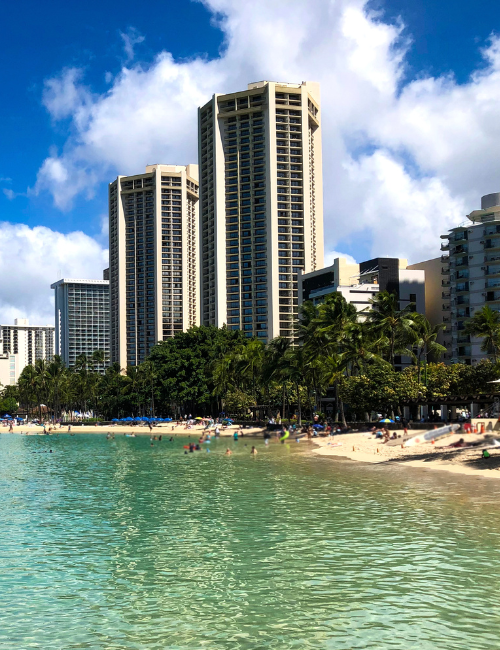
Urban Honolulu is the most densely populated part of the island, where condos dominate, and walkability is a top priority. Waikiki is the most recognizable name, characterized by its high-rise condos, hotels, restaurants, and constant activity. Most residences here are condos rather than single-family homes, with prices varying widely depending on views, building age, and amenities. You’re paying for proximity to the beach, nightlife, and a true resort-style lifestyle.
Kakaʻako sits just outside Waikiki and feels more local and modern. This is Honolulu’s fastest-evolving urban neighborhood, featuring new luxury towers, art walls, and planned green spaces. Prices are high, but the buildings are newer, and many residents like the mix of city energy and ocean access. Downtown Honolulu, meanwhile, blends government buildings, older condominiums, and historic districts, such as Chinatown. It’s less flashy but more affordable by urban Honolulu standards, with strong transit access and a growing food scene.
East Honolulu: Kāhala, Hawaiʻi Kai, and Aina Haina
Honolulu begins to feel more residential and more upscale as you head East. Kāhala is among the city’s most reputable neighborhoods, characterized by its large lot sizes, quiet, wide streets, and even some beachfront properties. Homes are pricey, and the majority are older, but the remarkable location and privacy keep demand strong.
To the east, Hawai’i Kai offers a full suburban experience, featuring marina-front homes, shopping centers, and planned communities. Many homes were built from the 1960s to the 1990s, and while prices are high, you often get more room than in town. Aina Haina and the surrounding hillside areas provide older single-family homes with stunning ocean views. These homes appeal to buyers seeking a quieter lifestyle while remaining close to town.
West Honolulu: Kalihi, Salt Lake, and Kapolei Expansion
West Honolulu comprises various neighborhoods, each with its own distinct character and price range. Kalihi is more industrial and working-class. It has older homes and some of the most affordable prices within Honolulu proper. Salt Lake has condos and single-family homes, and was developed in the 1960s and 1970s. It is popular among both locals and service members due to its proximity to military bases, shopping centers, and other amenities.
The western expansion toward Kapolei has been designed more recently and is considered the ‘master-planned’ side of Oahu living. Although it lies technically outside of Honolulu’s urban core, it has the most contemporary construction, large developments, and up-to-date amenities. Price points are based on construction age and location, but it is considered to be the best value compared to both East and Urban Honolulu. This is especially true for buyers who prioritize space over proximity to town.
Housing Market and Affordability Across Honolulu Neighborhoods

Honolulu’s housing market is competitive, and prices have climbed quite a bit—but if you know where to look, you can still find a home that fits your budget without breaking the bank. Like most big cities, location and type of home make a huge difference, with some neighborhoods offering better value or unique opportunities. For homeowners looking to sell quickly, cash home buyers in Pearl City, Honolulu, and surrounding areas, such as Waipahu, Mililani, and Ewa Beach, provide a fast and convenient alternative to the traditional listing process. These buyers often purchase homes as-is, allowing sellers to avoid repairs, lengthy showings, and real estate commissions, making it easier to move on to the next chapter of life without stress.
Price Ranges by Area
Your dollar goes the farthest in West Honolulu, especially in older neighborhoods like Kalihi or Salt Lake, where single-family homes can still be found in the $600,000 to $900,000 range. Condos in these areas might start at around $350,000–$500,000, which is a relative bargain for Honolulu.
Urban Honolulu, including Waikiki and Kakaʻako, is on the high end. Condos here regularly run $ 700,000–$1.5 million, with luxury towers exceeding $2 million if you want ocean views or modern finishes. Downtown condos are slightly more affordable but still pricey compared to the rest of the island.
East Honolulu, including Kāhala, Hawaiʻi Kai, and Aina Haina, tends to sit in the middle to upper range. Single-family homes typically cost between $1 million and $3 million, depending on their size and proximity to the ocean. Suburban-style neighborhoods in Hawaiʻi Kai can sometimes offer more space for your money than in town, but you’re still paying a premium for privacy, views, and schools.
A striking fact: nearly all homes in East and Urban Honolulu sold last year went for over $700K. So while you might find a “deal” in West Honolulu or certain condos, affordability is relative here—it’s a big city in paradise, after all.
Schools, Amenities, and Lifestyle by Neighborhood in Honolulu, HI
Living in Honolulu offers a unique blend of city convenience and island vibes. You can hit downtown for work in 10–20 minutes, but most days feel like a mini-vacation with beaches, hiking, and local markets right in your backyard.
School Districts and Top-Rated Schools
Honolulu is split into several complex school zones, mostly falling under the Honolulu District within the Hawaiʻi State Department of Education. Public schools vary a lot by neighborhood, so where you live makes a huge difference.
- Urban Honolulu (Downtown, Kakaʻako, Waikiki): Schools in this area are generally smaller and more urban. Many parents opt for private schools because public options are limited and competitive.
- East Honolulu (Kāhala, Hawaiʻi Kai, Aina Haina): This area has some of the highest-rated public schools on the island. Schools like Aina Haina Elementary, Niu Valley Middle, and Kāhala High receive strong marks from parents, particularly for their academic and sports programs.
- West Honolulu (Kalihi, Salt Lake, Kapolei): Public schools in this area range from average to good. Kapolei, in particular, has newer facilities and growing programs, but class sizes can be larger due to the rapid development.
Honolulu also has a number of magnet and charter schools that pull from multiple neighborhoods, but they often require applications and have limited spots—so planning ahead is key.
Parks, Recreation, and Entertainment Access
Honolulu is packed with ways to get outside without leaving your neighborhood. Urban Honolulu offers easy walks to Ala Moana Beach Park and Kapiʻolani Park, which host events, free fitness classes, and weekend markets. Hike up Diamond Head or the Makapuʻu Lighthouse Trail for epic views of the coast, or head east to Hawaiʻi Kai for marina activities and kayaking.
East Honolulu is close to some quieter beaches, such as Sandy Beach and Hanauma Bay, while West Honolulu and Kapolei have more suburban parks, golf courses, and growing shopping centers. Honolulu also hosts cultural events year-round—from hula festivals to local food markets—so there’s always something happening without hopping on a plane.
Shopping, Dining, and Commute Considerations
- Urban Honolulu has the most shopping and dining options. The Ala Moana Center is massive, but traffic and parking can be particularly brutal during peak hours. Smaller neighborhoods have boutique shops, cafes, and farmers’ markets.
- East Honolulu features local shopping centers, restaurants, and casual beachside dining options. It’s quieter and more car-dependent, but the views and space make up for it.
- West Honolulu/Kapolei is where newer development brings malls, movie theaters, and big-box stores. The commute into downtown is longer—about 25–40 minutes—but roads are generally newer and less congested than in the city core.
Public transportation is available via TheBus, but most locals still drive. Traffic peaks in Urban Honolulu, so living closer to work can save hours each week.
Comprehensive Overview of Honolulu County
Honolulu County in Hawaii exemplifies a unique fusion of metropolitan sophistication and natural charm, depicting the county’s rich history and island living. The juxtaposition of the metropolitan streets of downtown Honolulu, along with the calming beaches and picturesque lookouts, showcases the county’s commitment to a balance of history and modernity. The combination makes the county feel refreshing and comfortable.
The various neighborhoods, ranging from Waikiki to Downtown Honolulu to Kapolei, among others, each possess their unique personality and attributes. The county and its various districts offer a range of cultural activities, historical attractions, and even off-the-beaten-path locations. The central district of Honolulu is the ideal location to fully experience the county and its attractions.
Neighborhoods to Explore in Honolulu County

Honolulu County boasts a diverse landscape with numerous neighborhoods to explore – most notably, Central Honolulu, which is the heart of the county’s cultural fusion, making it an easily accessible cultural hotspot for visitors. In particular, visitors can enjoy the diverse business district and historical downtown Honolulu. Here, lively, cultural, and shopping streets provide the perfect starting point for exploring business and cultural heritage.
Waikiki, renowned for its stunning beaches and vibrant atmosphere, requires little introduction. Apart from the ocean views, the lively street scene, and restaurants and shops that reflect both local and international styles, the area’s distinct culture is also added to. From the ocean to the shops and restaurants, the views and the Waikiki scene are stunning.
In contrast, Oahu’s “second city,” Kapolei, features a suburban agglomeration, is family-friendly, and boasts new developments, as well as modern parks and recreation facilities. facilities. Kapolei and Waikiki showcase the diversity of the county. With its urban and suburban contrasts, the inviting diversity encompasses both culture and nature.
Recommended Hotels and Accommodations in the Area
Waikiki is home to a myriad of hotels and housing options tailored to every type of traveler, from luxury to budget. Luxury travelers appreciate Waikiki’s Halekulani, the only one of its kind, with a premium reputation built from decades of excellence in service, providing guests with a relaxing oasis from the vibrant atmosphere of Waikiki, located right on the beach. Close by, the Royal Hawaiian Hotel is a relaxing blend of modern amenities and the historic elegance of an island and culture that the traveler will want to cherish and take with them.
Moderately priced travelers will appreciate the relaxing atmosphere of the Waikiki Beachcomber Hotel by Outrigger. Centrally located on Kalakaua Avenue and only a stone’s throw away from the International Market Place and the picturesque Diamond Head, traveling from the hotels to the attractions of Waikiki is a breeze. On the other hand, the Surfjack Hotel and Swim Club, along with its boutique surroundings, serves to enrich the Waikiki beach experience. It features a pleasant outdoor cafe and bar, and often hosts live music and artist shows. Most importantly, it’s a short distance away from the Ala Moana Center, where guests can marvel at the shops and dining options from global competitors. Truly, the Waikiki hotels are enriched with the experience and culture of the destination.
Waikiki offers a variety of options for your vacation stay, including condos, serviced apartments, and vacation rentals, if you prefer a more homey feel. Additionally, some options feature full kitchen amenities, spacious living areas, and stunning views of the ocean or city, making them ideal for families or individuals seeking extended stays. Whether you enjoy waking up to the warm sun rising over the Pacific or taking a dip in the pool to enjoy the views, and exploring the local cafés, surf spots, and other shops. The stay you choose in Waikiki will be a great mix of rest and convenience.
Planning Your Itinerary Around Honolulu’s Highlights
Developing an itinerary to experience some of the best attractions across the county’s islands will create a memorable experience that showcases the county’s wide variety, including important details and facts about the city. Central Honolulu is an ideal base for exploring both bustling urban areas and tranquil rural regions. Start with Downtown Honolulu, where a range of attractions await, from historic to modern buildings. Iolani Palace and the Hawaii State Art Museum are attractions that provide insight into the politics and art of Oahu, offering a glimpse into the history of the islands.
Additionally, to experience the culture of the islands while enjoying the sun and the sea, the south end of the island is where you will find the city of Waikiki, the most famous and popular area of the islands. The city offers a blend of relaxation and activities, from the stunning sunset views at Waikiki Beach to the vibrant waters of Kalakaua Avenue. The city is also renowned for its high-end shopping, numerous restaurants, and vibrant nightlife. Activities to suit every ocean lover and every sun worshiper will be present.
Exploring beyond the city reveals even more of Honolulu County’s character. A drive north leads to the laid-back beaches and world-famous surf of the North Shore, while Kapolei showcases the area’s growing suburban side with family-friendly attractions and shopping centers. Together, these neighborhoods create a well-rounded Honolulu experience—balancing culture, city life, and natural beauty for an unforgettable island adventure.
Exploring the diverse neighborhoods of Honolulu through detailed maps not only enhances your experience but also provides a deeper appreciation for Oahu’s cultural and geographical diversity. Whether you’re planning a move, a visit, or simply curious about the island, understanding these neighborhoods enriches your knowledge of Honolulu’s unique character. From bustling Waikiki to the serene landscapes of Manoa, each area offers its own charm and attractions. By utilizing this comprehensive map guide, you’ll be well-equipped to navigate and enjoy the vibrant tapestry that makes Honolulu a beloved destination.
FAQs:
What do the neighborhood maps of Oahu include?
The neighborhood maps of Oahu offer detailed routes and insights into each area’s unique charm and characteristics. They guide you through bustling streets, serene beaches, hidden gems, and historical sites, providing a comprehensive understanding of Honolulu’s vibrant neighborhoods.
How can these maps enhance my journey in Oahu?
The maps help you navigate like a local, revealing diverse landscapes and cultural hotspots across the island. They offer a roadmap into Hawaii’s culture, from vibrant city life in central Oahu to the serene beauty of the North Shore, enriching your exploration.
What can I expect from exploring Honolulu County’s neighborhoods?
Honolulu County offers a mix of urban and natural attractions, from downtown’s historical sites to the idyllic beaches on the outskirts. With vibrant neighborhoods like Waikiki and the emerging suburb of Kapolei, the county offers a diverse cultural and geographical landscape for a memorable itinerary.
Looking to sell your house fast in Honolulu and other cities in Hawaii? Whether you want a fast sale, want to skip expensive repairs, or simply prefer a stress-free process, Oahu Home Buyers has you covered. We provide fair cash offers, manage all the paperwork, and make selling easy from start to finish. Explore our Honolulu neighborhood map to see the areas we serve and understand your property’s market potential. Do you have questions, or are you ready for a no-obligation offer? Contact us at (808) 333-3677 and get started today!
Helpful Honolulu Blog Articles
- Understanding Hospital Liens On Property In Honolulu, HI
- Guide To Selling Your House To A Developer in Honolulu, HI
- Can Medical Bills Take Your House in Honolulu, HI
- Selling A House With A Pending Lawsuit In Honolulu, HI
- Free Things to Do in Honolulu, HI
- Honolulu, HI, Neighborhood Map
- Fun Facts About Honolulu, HI
- Honolulu, HI, Cost of Living
- Honolulu, HI, Closing Costs Calculator
- Is Honolulu, HI, A Good Place to Live
- Honolulu, HI, Capital Gains Tax Calculator & Tax Planning Strategies
- Best and Worst Neighborhoods in Honolulu, HI
- Best Honolulu, HI, Property Managers