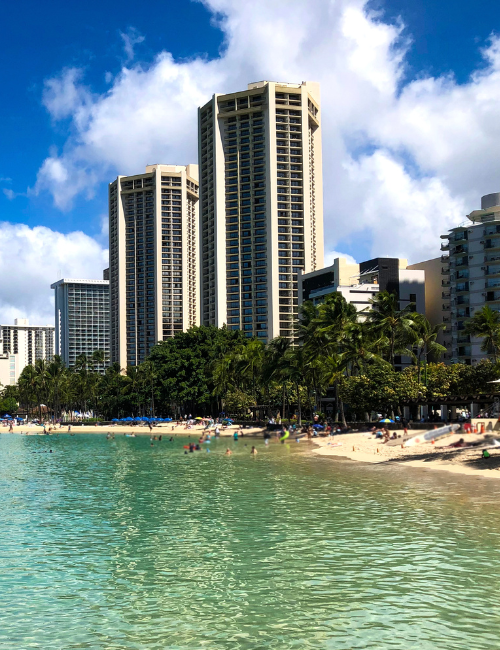

In Honolulu, a safe, bougie neighborhood can be literally three blocks away from a spot where you’re triple-checking your car locks. The usual advice about “north side bad, south side good” doesn’t work here because the island’s geography just throws everything together.
We’re cutting through the BS and giving you a comprehensive list of where you want to live versus where you should probably avoid. We’ve thrown in real crime numbers as well as what it’s actually like to wake up there every morning.
How We Ranked Honolulu Neighborhoods
We didn’t just throw darts at a map. This comes from real violent crime and property crime stats and actual real estate prices. We also talked to people who live in these neighborhoods, not just the ones trying to sell you something.
Crime matters because nobody wants to feel sketchy walking to their car at night. We looked at both violent stuff, like assaults and property crime, because they paint different pictures.
But we also considered whether you’re dropping a million bucks on a shoebox, how bad the commute is, if there’s anything fun nearby, and whether the schools are decent.
A safe neighborhood that’s boring as hell and costs a fortune isn’t necessarily winning. We wanted the full story, the stuff nobody puts in the listing descriptions.
The Best Neighborhoods in Honolulu, HI
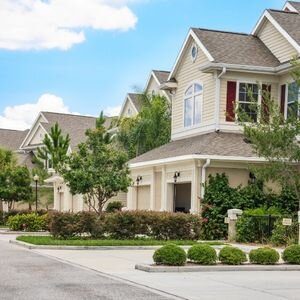
These are the spots where you’re actually getting what you pay for. They have low crime rates, great schools, nice vibes, and yes, your wallet’s gonna feel it.
#1 Kahala: Luxury Living and Unmatched Safety
Kahala’s where old money lives and it really shows. You’ve got massive oceanfront estates, pristine streets, and crime rates so low they’re basically a rounding error.
The neighborhood sits right on the water with some of the best beaches on the island. The local vibe is quiet, established, and seriously safe.
You’re paying top dollar here (probably well over a million for most properties), but you’re also getting into one of the most secure, well-maintained neighborhoods in all of Hawaii.
The trade-off is that it’s pretty sleepy. If you want nightlife or walkable restaurants, you’ll be driving somewhere else.
#2 Manoa: Family-Friendly with Great Schools
Manoa’s the go-to for families who want good schools and a neighborhood that actually feels like a neighborhood. It’s tucked up in the valley, so you get cooler temps, lush greenery everywhere, and way less of that tourist chaos.
The University of Hawaii is right there, which brings a mix of professors, grad students, and long-time residents who care about the community.
Crime’s low, especially violent crime. The schools also consistently rank among the best on the island.
Houses here aren’t cheap, but you’re getting a legitimate residential feel. They have parks, hiking trails right in your backyard, and neighbors who know each other’s names.
#3 Hawaii Kai: Suburban Paradise by the Water
Hawaii Kai feels like you’re living in a totally different place from downtown Honolulu. It’s suburban and family-oriented. You’re surrounded by water on three sides with marina access if you’re into boating.
The community is super tight-knit and crime rates are impressively low. You’ve got beaches, parks, and hiking trails everywhere you look. It’s popular with families and retirees who want that quiet island life without giving up modern conveniences.
The downside is the commute. If you work downtown, you’re looking at 30 to 45 minutes each way and traffic can be very heavy. But if remote work’s your thing or you don’t mind the drive, this place delivers.
#4 Diamond Head: Iconic Views and Strong Community
Diamond Head’s got the views everyone dreams about when they think of Hawaii.
You’re living on the slopes of an actual volcanic crater with ocean views, incredible sunrises, and access to some of the best hiking on the island.
The neighborhood’s got that old Hawaii charm with tree-lined streets, well-kept homes, and residents who’ve been there forever.
Crime’s low and the community’s active and protective of keeping things nice. You’re close enough to Waikiki for convenience but far enough to avoid the tourist madness.
Real estate here holds value like crazy and it’s easy to see why. You’re paying for location and safety, and you’re getting both.
#5 Kailua: East Side Charm Worth the Commute
Kailua sits on the windward side, which means better weather, less development, and beaches that make Waikiki look like a bathtub. If you own property in the area, we buy homes in Kaneohe too, so selling doesn’t have to be complicated.
The town’s got a laid-back, beachy vibe. There are local shops and good restaurants. Plus, there’s a strong sense of community.
Crime rates are great and families love it here. You actually get more house for your money compared to comparable neighborhoods closer to downtown. The catch is geography. You’re separated from Honolulu by a mountain range, so commuting means going through tunnels or over the Pali Highway, which gets jammed up regularly.
But if you can handle the commute or work remotely, you’re getting quintessential Hawaii living without the insane price tags of the top-tier neighborhoods.
#6 Aina Haina: Quiet Residential with Beach Access
Aina Haina’s one of those neighborhoods people don’t talk about enough, but it’s quietly killing it on the safety and family-friendly front.
It sits between Hawaii Kai and Kahala, so you get that same low-crime vibe without quite the same price tag.
The area is residential and has good schools. You’ve got beach parks, hiking access, and a community that’s been stable for decades.
It’s not flashy, so there are no fancy restaurants or nightlife, but that’s kind of the point. People move here because they want a safe and quiet place.
Property values hold steady and the commute is manageable compared to Hawaii Kai. You’re also getting legitimate neighborhood vibes.
It’s especially good for families with younger kids who want somewhere safe to grow up without breaking the bank on Kahala prices.
#7 Waialae-Kahala: The Quieter Side of Luxury
Waialae-Kahala sits right next to the actual Kahala but costs a bit less while still delivering on safety and quality. You get tree-lined streets, well-maintained homes, and crime rates that barely register.
The Waialae Country Club is right there, which tells you the demographic. There are established families, retirees, and people who want quiet luxury without the full oceanfront price tag who stay here.
The schools are good, too. There are also clean parks and your neighbors actually care about keeping things nice.
It’s not as flashy as Kahala proper, but you’re still getting top-tier safety and nice real estate value. This is a neighborhood where people have lived for 30+ years. That kind of stability matters when you’re making a long-term investment.
The Worst Neighborhoods in Honolulu

Worst doesn’t mean these places are complete write-offs, but they’ve got real issues you need to know about before signing anything. There’s crime and other stuff your realtor probably won’t mention until you ask directly.
#1 Chinatown: Cultural Hub with Serious Safety Challenges
Chinatown has incredible food, cool galleries, and this authentic local vibe you won’t find in the tourist traps. But it’s also got some of the highest crime rates in Honolulu, and that’s not just hype.
Property crime‘s through the roof here. Car break-ins and theft happen a lot. Violent crime occurs, too, especially at night when the bars close and things get rowdy.
There’s a visible homeless population and open drug use in certain blocks. Some streets feel really sketchy after dark.
If you’re cool with that trade-off for affordable rent and being in the middle of everything, fine. Just know what you’re getting into.
#2 Kalihi: Affordability Comes at a Price
Kalihi’s one of the few places in Honolulu where you can still find relatively affordable housing and that’s basically the main selling point. The problem is you’re trading money for safety and peace of mind.
Crime rates in Kalihi are consistently higher than the city average, with both property crime and violent incidents being legitimate concerns. The neighborhood is heavily industrial in parts, which means noise, traffic, and not a ton of charm.
There are pockets that are perfectly fine, especially the parts closer to Liliha, but you really need to know which streets are okay and which ones you should avoid.
You really need to do your homework before committing to anything here.
#3 Waipahu: Industrial Area with Real Concerns
Waipahu’s out in the central part of Oahu. It’s got this weird mix of residential areas, industrial zones, and agricultural land all mashed together. The real estate is cheaper closer to downtown, but there’s a reason for that.
Crime’s been an ongoing issue here, particularly property crime and car thefts. The area doesn’t have the beach access or amenities you’d want and the commute into Honolulu is rough. You’re looking at an hour-plus during rush hour.
Some families live here because it’s what they can afford and there are decent schools scattered around. But if you’ve got other options, you’re probably better off looking elsewhere.
#4 Parts of Downtown Honolulu After Dark
Downtown during business hours is fine. You’ll see office workers, lunch spots, and pretty normal city stuff. But after 5 PM, when everyone clears out, it’s a different story.
The area gets pretty empty, and that’s when you see more homeless encampments, people dealing with mental health or substance issues, and a general vibe that doesn’t feel safe. Property crime spikes in the evening, especially around certain parking structures and quieter streets.
If you’re living downtown, you’re probably in one of the newer high-rises with security, which helps. But street-level after hours can feel dangerous and you’ll want to stay aware of your surroundings.
#5 Mayor Wright Homes Area: High Crime Concentration
This is public housing territory and crime stats here are consistently among the highest in Honolulu. Both violent crime and property crime are legitimate concerns. The area’s got a reputation that’s well-earned.
The neighborhood struggles with poverty, gang activity, and all the issues that come with concentrated low-income housing. It’s not a place where you’re casually looking to buy property unless you’re a developer with a long-term plan.
There are good people living here trying to make it work, but from a safety and investment standpoint, this is one you want to avoid.
What Makes a Honolulu Neighborhood “Good” or “Bad”?
Crime’s obviously a big factor, but it’s not the only thing that makes a neighborhood worth living in or worth skipping. If you’re considering selling in these neighborhoods, The Oahu Home Buyers Team can buy homes in any condition, anywhere in Honolulu. You’ve got to look at the whole picture.
Beyond Crime Statistics: Quality of Life Factors
Sure, low crime matters, but what about the rest of your daily life? Some neighborhoods are safe but dead boring with nothing to do and zero sense of community.
Others might have slightly higher property crime but amazing restaurants, walkable streets, and neighbors who actually talk to each other.
You’ve got to think about commute times because Honolulu traffic is no joke during rush hour. A “cheap” place that adds 90 minutes to your daily commute isn’t actually saving you anything when you factor in gas, car maintenance and your sanity.
Schools matter if you’ve got kids or plan to. Beach access, parks, and hiking trails are the things that make Hawaii worth the insane cost of living. A neighborhood without any of that is just an expensive place to sleep.
The Real Estate Price-to-Safety Ratio
Some neighborhoods charge premium prices and actually deliver on safety and quality of life. Others are expensive just because they’re in Honolulu, not because they’re actually nice places to live.
Kahala and Manoa cost a fortune, but you’re getting rock-bottom crime rates, good schools, and property that holds value. Downtown condos might run you $800k, but you’re dealing with homeless issues, limited parking, and questionable safety after dark. That’s not a good deal.
You should find places where the price matches what you’re actually getting. Hawaii Kai and parts of Kailua do this well. You’re paying more than average, but you’re getting family-friendly vibes, low crime, and actual community.
Access to Beaches, Parks, and Amenities
You’re living in Hawaii, so if you can’t easily get to a beach or decent park, what’s even the point? Some neighborhoods have incredible access to outdoor stuff and others require a 30-minute drive just to see the ocean.
Diamond Head puts you right next to hiking, beaches, and parks without the tourist crowds. Kailua’s got some of the best beaches on the island, basically in your backyard. Meanwhile, places like Kalihi and Waipahu feel disconnected from the Hawaii everyone moves here for.
Amenities also matter. You should look at grocery stores, restaurants, coffee shops, and gyms. Nobody wants to drive 20 minutes just to grab milk.
The best neighborhoods give you options within a reasonable distance without forcing you into your car for every single errand.
Best Areas for Families

If you’ve got kids or you’re planning to, you want low crime and nice schools. You’ll also want a neighborhood where kids can actually be kids without you constantly stressing.
Manoa’s the top pick. The schools are really good and the neighborhood’s got parks and hiking trails everywhere. It’s safe enough that kids can ride bikes around without parents having heart attacks.
The community is tight-knit because lots of families have been there for years. You’re not dealing with tourist traffic or sketchy vibes.
Hawaii Kai’s a close second. It’s highly suburban, which some people hate, but families love it. You’ve got beaches, parks, youth sports leagues, and neighbors who all know each other.
There are also amazing schools and the crime is low. Kids grow up with outdoor access that most mainland families can only dream about. The commute sucks for parents working downtown, but if you can swing remote work or flexible hours, it’s worth it.
Kailua’s another strong option if you don’t mind the windward side. Great beaches, good schools, a laid-back vibe, and it feels more like a real town than just a Honolulu suburb.
Plus, your housing dollar goes further here than in Manoa or Hawaii Kai. This is important when you’re trying to afford a place big enough for a family.
Top Neighborhoods for Young Professionals
If you’re single or coupled up without kids, your priorities are different. You want walkability, nightlife, a decent commute to work, and a social scene that doesn’t involve PTA meetings.
Kakaako’s been blowing up with young professionals. It’s close to downtown and you’ve got new high-rises with amenities. There are restaurants and bars everywhere and it’s actually walkable.
Crime’s relatively low in the newer developments and you’re right there for work and social stuff. The downside is it’s expensive and can feel a bit sterile with all the new construction.
Parts of downtown work if you’re in one of the secure high-rises. You’re walking distance to work, bars, restaurants, and everything’s right there.
Just be smart about where you’re walking after dark and make sure your building’s got good security. The convenience factor is hard to beat if you work in the financial district or government offices.
Ala Moana area is a great choice, too. You’ve got the beach park, the shopping center, tons of restaurants, and it’s central to everything.
It’s pricier than downtown but safer overall. You get better access to outdoor stuff while still being in the middle of the action.
Retiree-Friendly Communities
Retirees want safety, quiet, proximity to healthcare, and ideally some natural beauty to enjoy without the chaos of tourist areas or families with screaming kids.
Kahala is ideal if you’ve got the money. It’s quiet and you’re living the dream retirement right on the water. Healthcare is accessible, and the neighborhood is established.
You’re not dealing with noise or crime concerns. It’s expensive, yes, but if you can afford it, this is top-tier retirement living.
Diamond Head works well, too. You’ve got the views, the hiking if you’re still active, low crime, and a community that’s stable and quiet.
It’s close enough to medical facilities and shopping without being in the middle of tourist chaos. Plus, the property holds value, which is good for estate planning.
Hawaii Kai appeals to retirees who want that suburban peace with ocean access. It’s family-oriented but also has a solid retiree population who love the marina, the golf courses, and the general laid-back vibe.
Medical facilities require a drive, but it’s manageable. The trade-off is living somewhere that actually feels like Hawaii.
Budget-Conscious Buyers: Where to Look
Most of Honolulu is expensive and if you’re on a budget, your options are limited. But if you’re looking to sell your Honolulu house faster, Oahu Home Buyers buys homes as-is in any condition, even in neighborhoods with higher crime or fewer amenities.
Kalihi’s the obvious choice if you’re willing to trade some safety for affordability. You can actually find condos and smaller homes under $500k here, which is basically impossible in nicer neighborhoods.
Just be selective about which streets and buildings you’re looking at. Also, expect higher crime and less charm than pricier areas.
Parts of Pearl City and Aiea push the boundaries of what counts as Honolulu, but they’re worth considering. You get more house for your money and the schools are decent. The crime’s manageable, too.
The commute into downtown sucks, but if you’re working in the airport area or central Oahu, it’s not terrible.
Waipahu’s cheaper for a reason. There’s the crime, the industrial vibe, the long commute. But if budget’s your primary concern and you’re willing to accept the trade-offs, you can find property here that won’t completely destroy your finances. Just go in with eyes open about what you’re getting.
Honestly, your best bet on a budget might be looking at condos in okay neighborhoods rather than trying to buy a house in sketchy ones.
A small condo in Makiki or lower Manoa gets you a better location and safety than a house in Kalihi, even if you’re sacrificing space.
Tips for Staying Safe in Any Honolulu Neighborhood
You can live almost anywhere if you’re smart about it, but some basic precautions go a long way in keeping you and your stuff safe. Talk to people who live there if you can. And if you want expert help selling your property quickly, reach out to us to get started.
Research Before You Commit
Don’t just trust the listing photos or what your realtor tells you. Drive through the neighborhood at different times, like in the morning, evening, or late at night on a weekend. See what it actually looks like when people are home and when the streets are empty.
Check crime maps online, too. The Honolulu Police Department publishes data and sites like CrimeMapping show you exactly where incidents happen.
If a building or street has repeated break-ins or assaults, that’s your answer right there. Talk to people who live there if you can.
Ask the mail carrier, the local coffee shop workers, or anyone who’s around daily and will give you the real story.
Visit at Different Times of Day
A neighborhood can look perfect at 10 AM on a Tuesday and completely different at 11 PM on a Saturday. You need to see both versions before committing to living there.
Go to the area during rush hour to see what traffic’s actually like. Come back on a weekend night to see if it gets loud, sketchy, or if there’s stuff going on you wouldn’t want happening outside your window.
Check it out on trash day, when the rain hits, and even during local events. The more you see, the fewer surprises you’ll deal with after moving in.
Talk to Real Locals, Not Just Realtors
Realtors are selling you something, so their version of “safe neighborhood” might be different from yours. You need unfiltered opinions from people who actually live there and have nothing to gain from lying to you.
Join local Facebook groups or Nextdoor for the area. People complain about everything there, which is actually perfect for getting the real scoop on crime, noise, problem neighbors, all the stuff nobody puts in listing descriptions.
Stop by local shops and strike up conversations. The guy running the corner store knows exactly which streets are fine and which ones see regular problems.
Ask specific questions, too. Don’t just say “is it safe?” Ask about car break-ins, package theft, whether they feel comfortable walking at night, if there are areas they avoid. The more specific you get, the more useful information you’ll get back.
Key Takeaways: Best and Worst Neighborhoods in Honolulu, HI
The gap between Honolulu’s best and worst neighborhoods is massive. A few miles can mean the difference between zero crime worries and checking your locks twice. Kahala, Manoa, and Hawaii Kai cost more because they actually deliver on safety and schools. Chinatown, Kalihi, and Waipahu are cheaper because of the higher crime, fewer amenities, and rougher vibes.
If you’re thinking about selling property in any Honolulu neighborhood, Oahu Home Buyers buys homes as-is in any condition and any area. No repairs or waiting around for buyers who might bail. Call us now at (808) 333-3677 or fill out the form below to get started!
Helpful Honolulu Blog Articles
- Understanding Hospital Liens On Property In Honolulu, HI
- Guide To Selling Your House To A Developer in Honolulu, HI
- Can Medical Bills Take Your House in Honolulu, HI
- Selling A House With A Pending Lawsuit In Honolulu, HI
- Free Things to Do in Honolulu, HI
- Honolulu, HI, Neighborhood Map
- Fun Facts About Honolulu, HI
- Honolulu, HI, Cost of Living
- Honolulu, HI, Closing Costs Calculator
- Is Honolulu, HI, A Good Place to Live
- Honolulu, HI, Capital Gains Tax Calculator & Tax Planning Strategies
- Best and Worst Neighborhoods in Honolulu, HI
- Best Honolulu, HI, Property Managers